DELMAS — Illegal dumping and pollution at a wetland in Mandela Section have raised concerns about waste management and the condition of the area.
The concerns emerged during an Environmental Protection Awareness and Clean-Up Campaign hosted by Victor Khanye Local Municipality (VKLM) and Ukwanda Kwemvelo Organisation NPC on Tuesday, 15 September 2026.
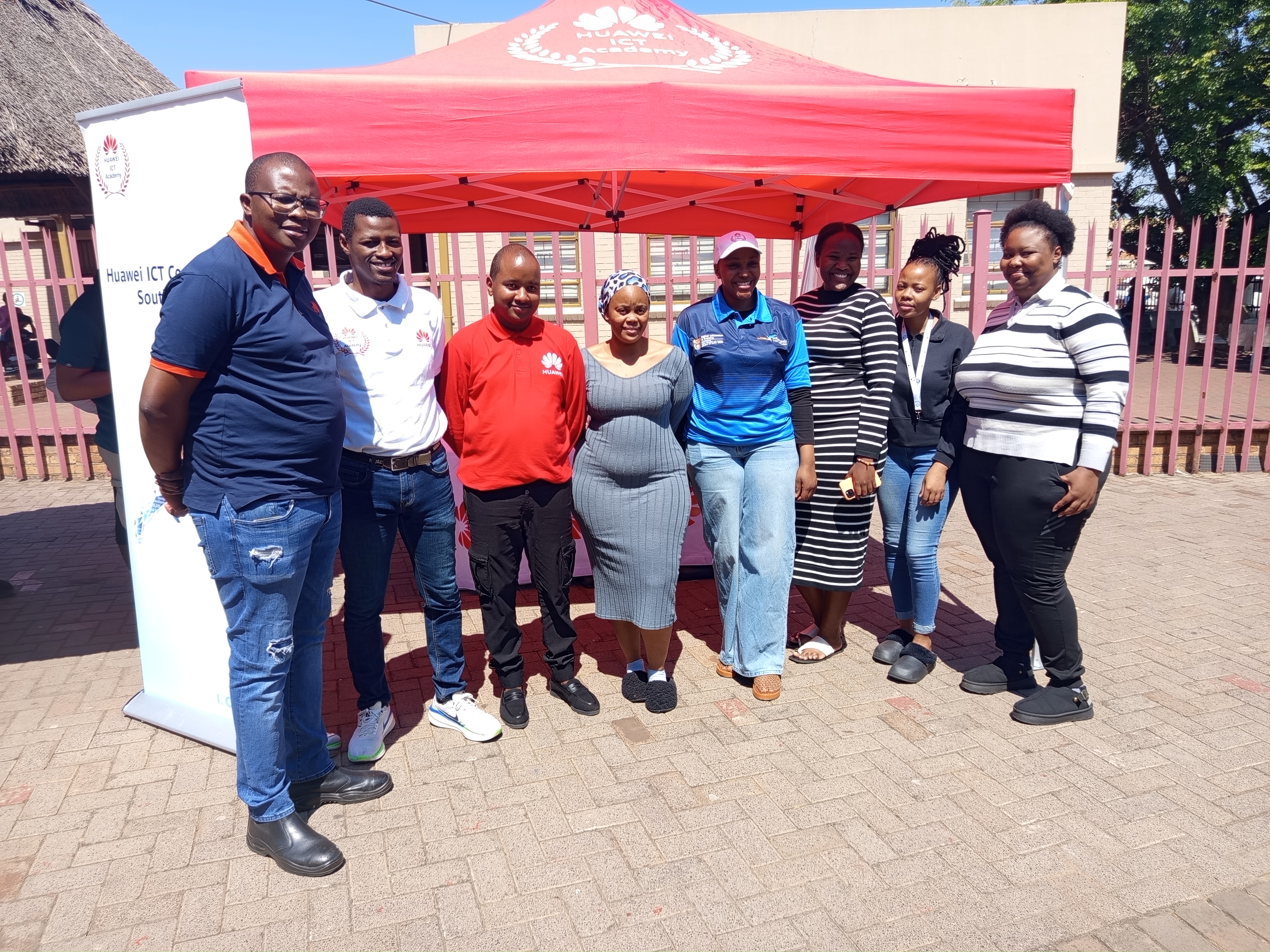
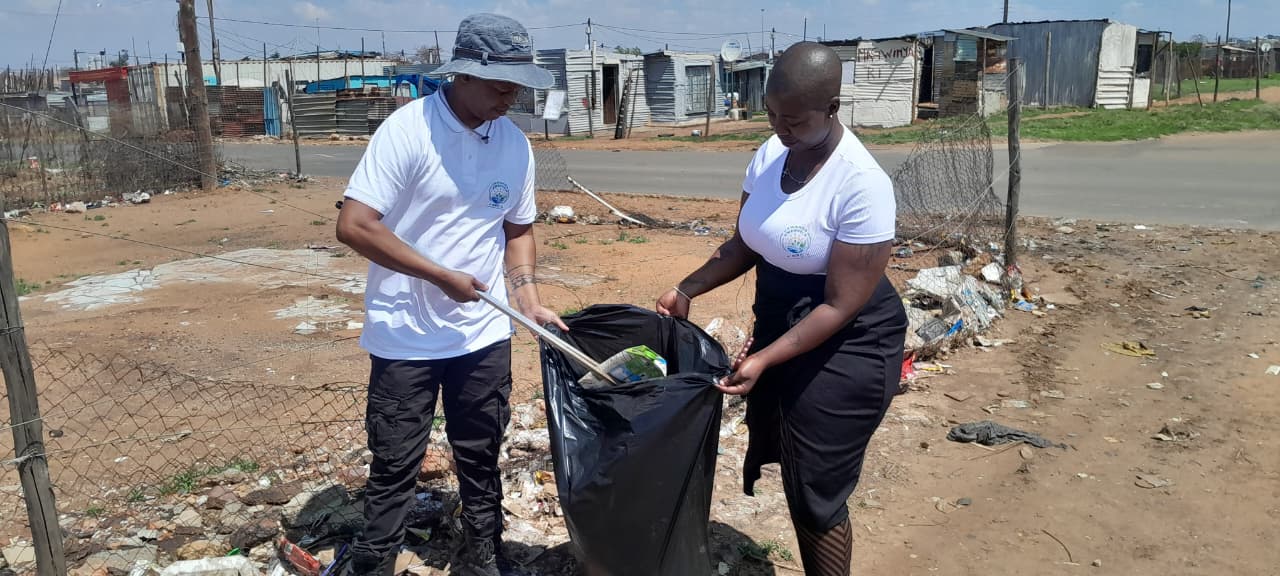
The programme began at the Simon Gondwe Sport Centre before officials, civil society representatives and other stakeholders moved to the wetland to remove waste.
Those taking part included Acting Speaker Councillor Blondie Balathi, VKLM Environmental Management representative Boitumelo Kgapane, DARDLEA’s Prayer Lubisi, VKLM Transversal Office Coordinator Thuli Skhosana, Zanele Mabanga from CoGHSTA, Civil Society Forum chairperson Nhlanhla Sitoe and representatives from the Traditional Healers Organisation (THO).
Ukwanda Kwemvelo NPC president Siyabonga Ndebele said the organisation became involved after growing concerned about the deterioration of wetlands around Delmas.
He said waste had “choked” some wetlands, while pollution and stagnant water were affecting their natural function.
Household waste, plastic, nappies, building rubble and tyres were among the materials reportedly being dumped in the wetland.
Ndebele also raised concerns about uncontrolled grazing, reed cutting, vehicle washing near the wetland, wastewater from the municipal wastewater treatment plant and agricultural chemicals potentially entering the water.
“Our motto is Nature’s Expansion & Growth. We were motivated by the urgent need to restore our natural ecosystems that are dying in front of us,” Ndebele said.
He said the clean-up was not intended to be a once-off exercise.
Ukwanda Kwemvelo plans to continue environmental education in schools, churches and households, introduce an adopt-a-wetland programme and train young people and women as waste champions. The organisation also plans to promote recycling and work with communities and ward councillors on environmental awareness and signage.
Sitoe said the condition of the wetland was among several environmental concerns raised by residents in Mandela Section.
She said these included poor waste collection, blocked drainage, flooding, poor water quality, invasive plants and sewer spillages.
She said civil society had raised the concerns through Integrated Development Plan (IDP) consultations, ward committee and community meetings, as well as with municipal and environmental authorities.
The forum is calling for regular waste collection, enforcement of municipal by-laws, wetland monitoring, signage and fencing, recycling and rehabilitation.
Sitoe also urged residents to stop illegal dumping, separate waste, report offenders and take part in clean-up initiatives.
“We cannot have a clean environment if residents are not part of the solution,” she said.
The campaign has placed responsibility on both authorities and residents, with calls for improved services and enforcement alongside greater community participation in protecting the wetland.
The publication approached VKLM’s Environmental Management section and the Department of Agriculture, Rural Development, Land and Environmental Affairs (DARDLEA) for comment on the concerns raised about the wetland.
No responses had been received by the time of publication.
“That wetland is not a dumpsite,” Sitoe said. “We are the ones who must protect Delmas.”