NKANGALA — South African-owned spaza shops outnumber those owned or operated by foreign nationals by 51 in Nkangala District Municipality's reported ownership figures. However, inconsistencies in the data leave hundreds of registered shops unaccounted for.
The Highveld Chronicle examined spaza shop registration and compliance figures across the district's six local municipalities following complaints that foreign-owned shops outnumber those owned by South Africans.
The concerns came to the fore during marches in Thembisile Hani and Steve Tshwete local municipalities on Thursday.
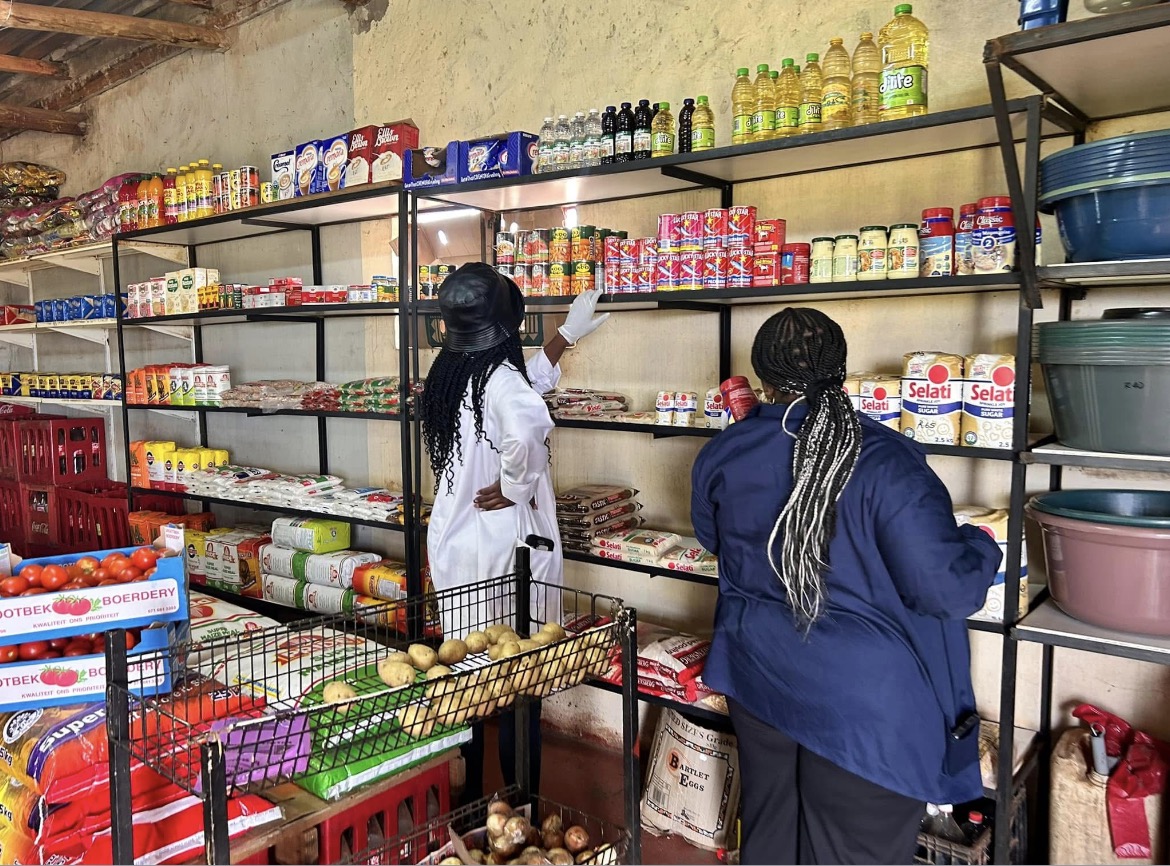
According to the district municipality, it has received 2,360 spaza shop registration applications since President Cyril Ramaphosa ordered the registration of spaza shops in November 2024. Of these, 1,337 have been registered, while 161 shops have been shut down for non-compliance.
The municipality's figures list 392 shops as South African-owned and 341 as owned or operated by foreign nationals, a difference of 51.
However, the two ownership categories account for only 733 of the 1,337 reported registrations, leaving 604 registered shops without an identified ownership category.
The breakdown across the six local municipalities also reveals discrepancies, with some ownership totals exceeding the number of registered shops.
In Steve Tshwete, 182 shops were registered, but only 21 were listed as South African-owned and 65 as foreign-owned. Seventeen shops were closed.
eMakhazeni received 156 applications and registered nine shops. However, its ownership figures list nine South African-owned and 24 foreign-owned shops, exceeding the reported registrations. Five shops were closed.
Thembisile Hani received 413 applications and registered 184 shops. Its ownership figures list 184 South African-owned and 150 foreign-owned shops, while 15 closures were reported.
Dr JS Moroka received 460 applications and registered 93 shops. However, its ownership figures list 103 South African-owned and 90 foreign-owned shops, with 34 closures recorded.
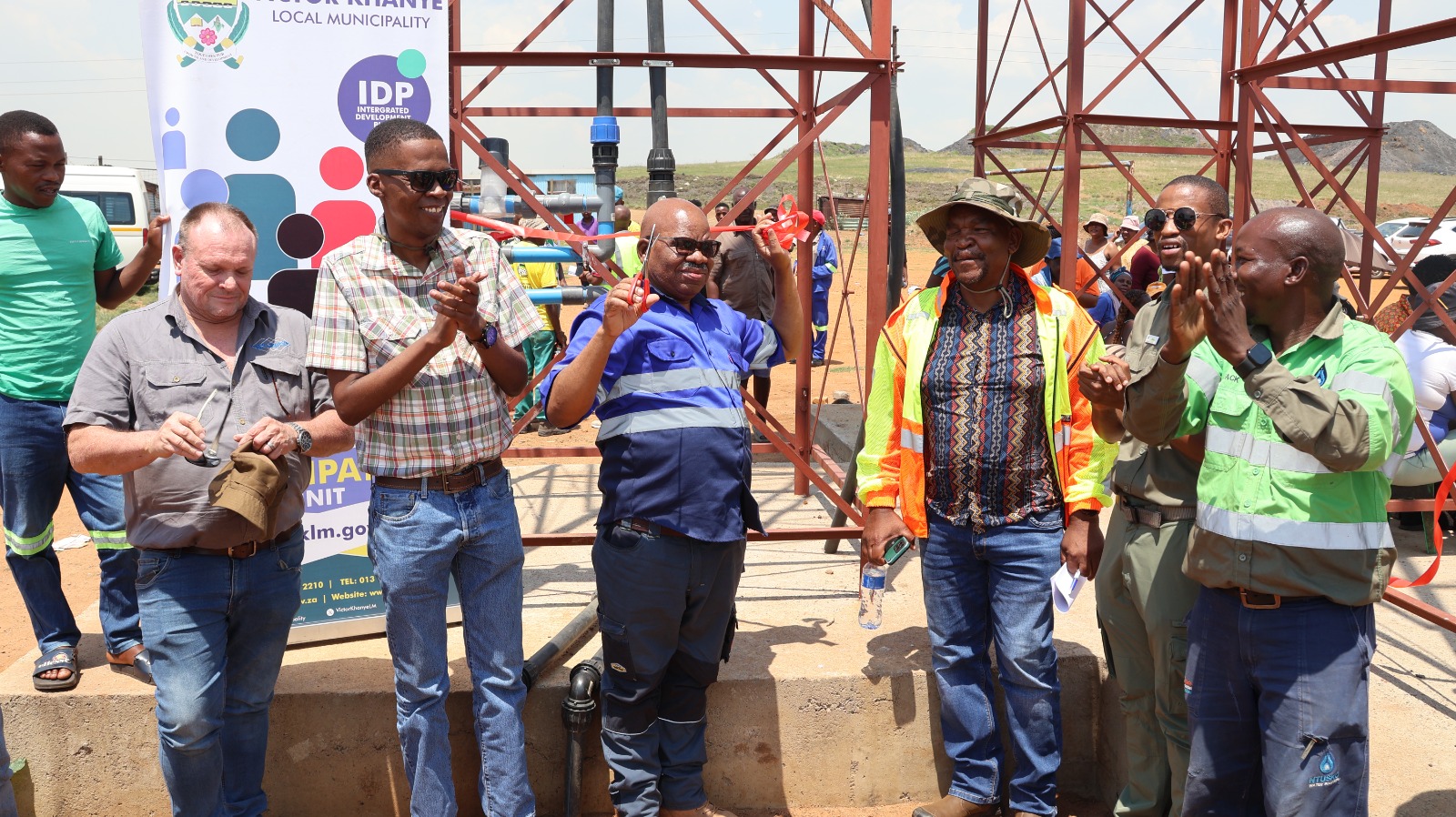
Victor Khanye received 411 applications and registered 159 shops. Its figures list 33 South African-owned and 12 foreign-owned shops, while 13 closures were reported.
eMalahleni received 710 applications and registered all 710 shops. However, only 42 were listed as South African-owned, with none recorded as foreign-owned. The municipality reported 77 closures, the highest number in the district.
Across Nkangala, the figures indicate that 1,023 of the 2,360 applications had not been registered at the time of reporting.
District Municipal Manager Mandla Mahlangu attributed the delays to incomplete applications and difficulties contacting applicants.
"Some of the applications received were incomplete without ID documents and the necessary documents were not attached. Others did not indicate the business address and contact details. Registrations are still being processed, the challenge is those with non-working contact numbers," he said.
Mahlangu said applicants had been advised to visit their local municipalities to check the progress of their applications, but many had not returned.
He said the 161 closed shops were being monitored, with owners issued compliance notices or spot fines. They were required to address the identified non-compliance before reapplying.
The registration drive followed President Ramaphosa's directive on 15 November 2024, requiring spaza shops to register within 21 days and submit personal and business details, including an affidavit.
Foreign nationals were also required to submit relevant passports or permits and valid work or business visas, where applicable.