DELMAS – Victor Khanye Local Municipality has been urged to strengthen its response to gender-based violence and femicide (GBVF), with civil society raising concerns about delayed responses to cases, a lack of local survivor services and limited after-hours support.
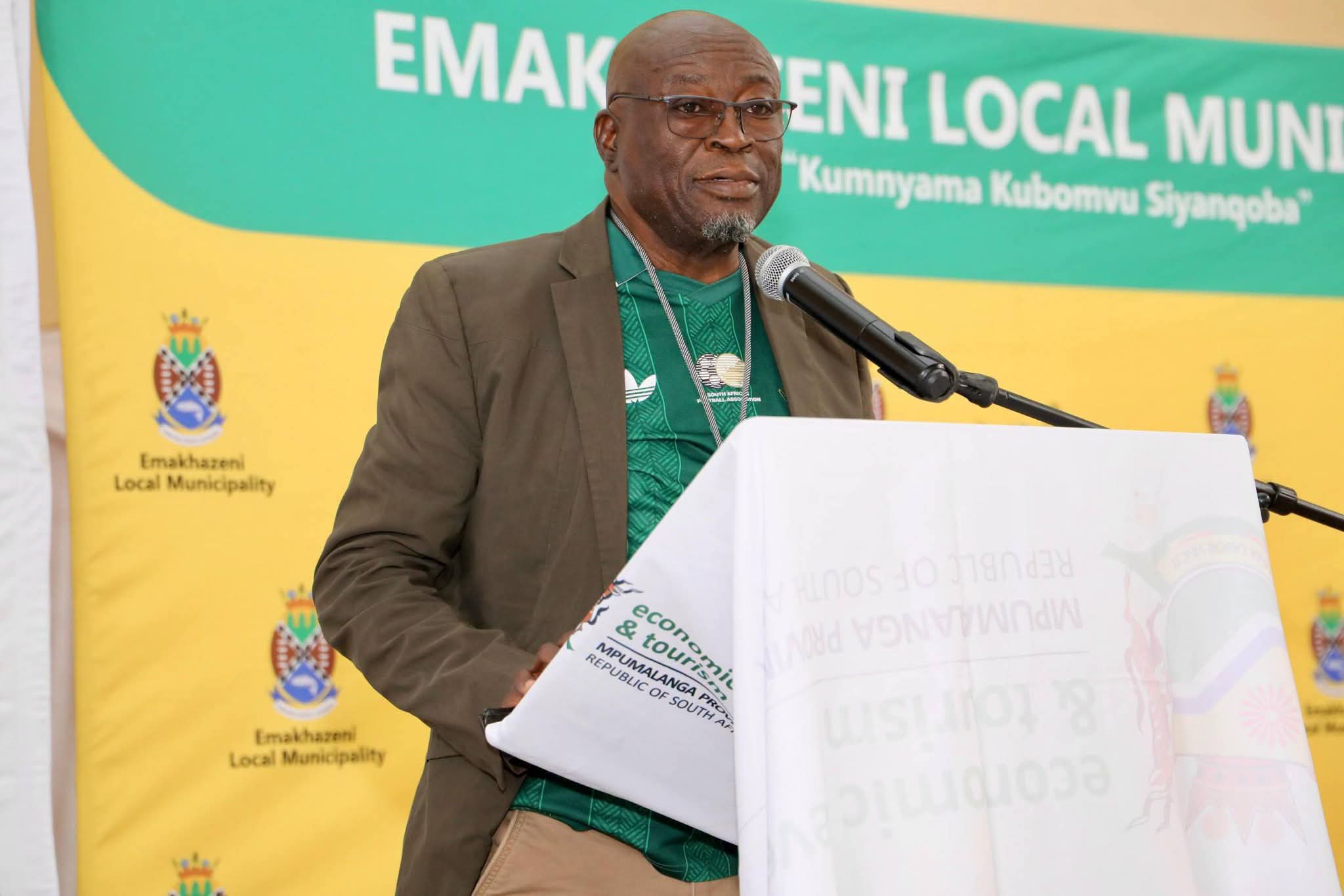
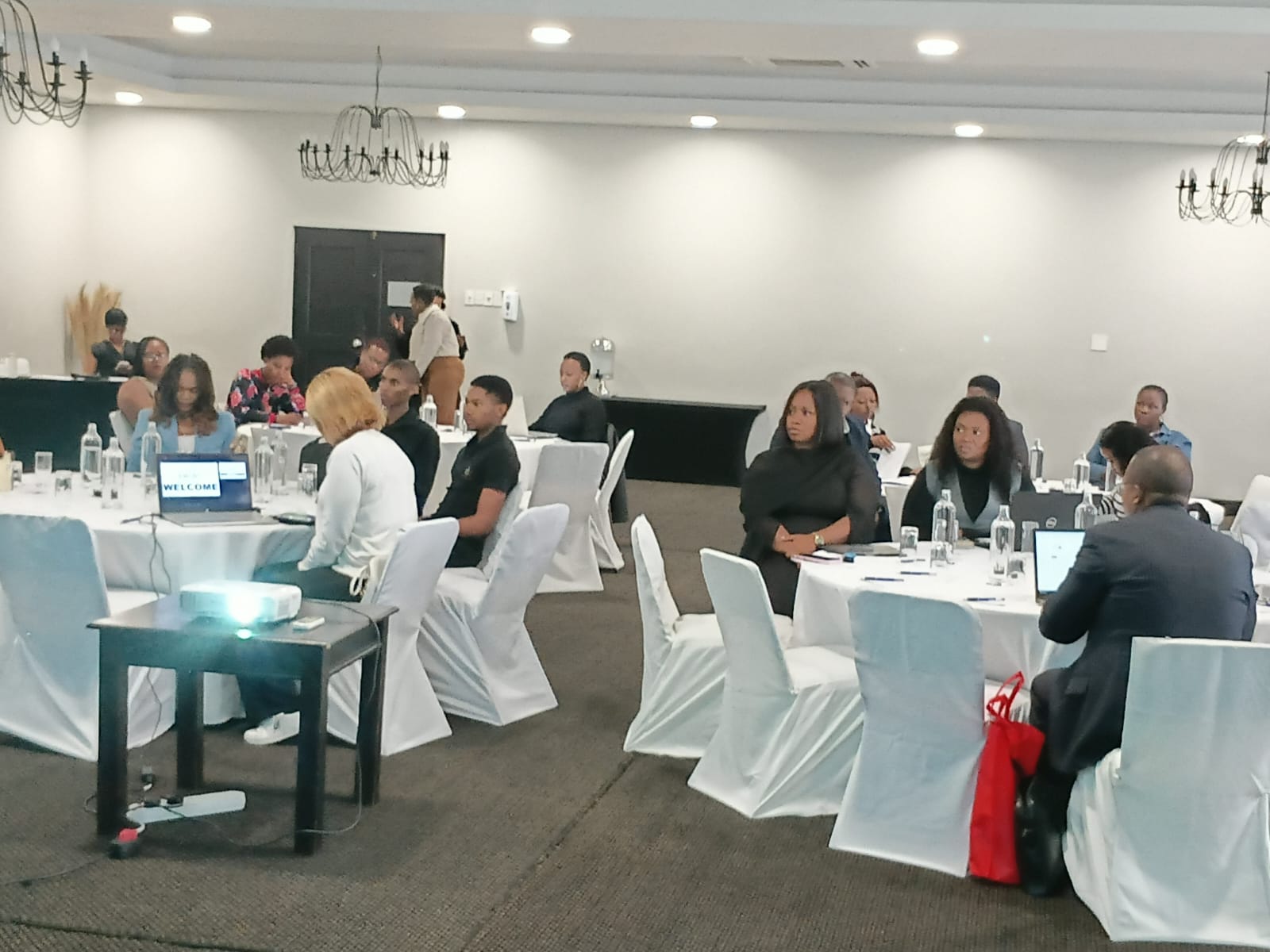
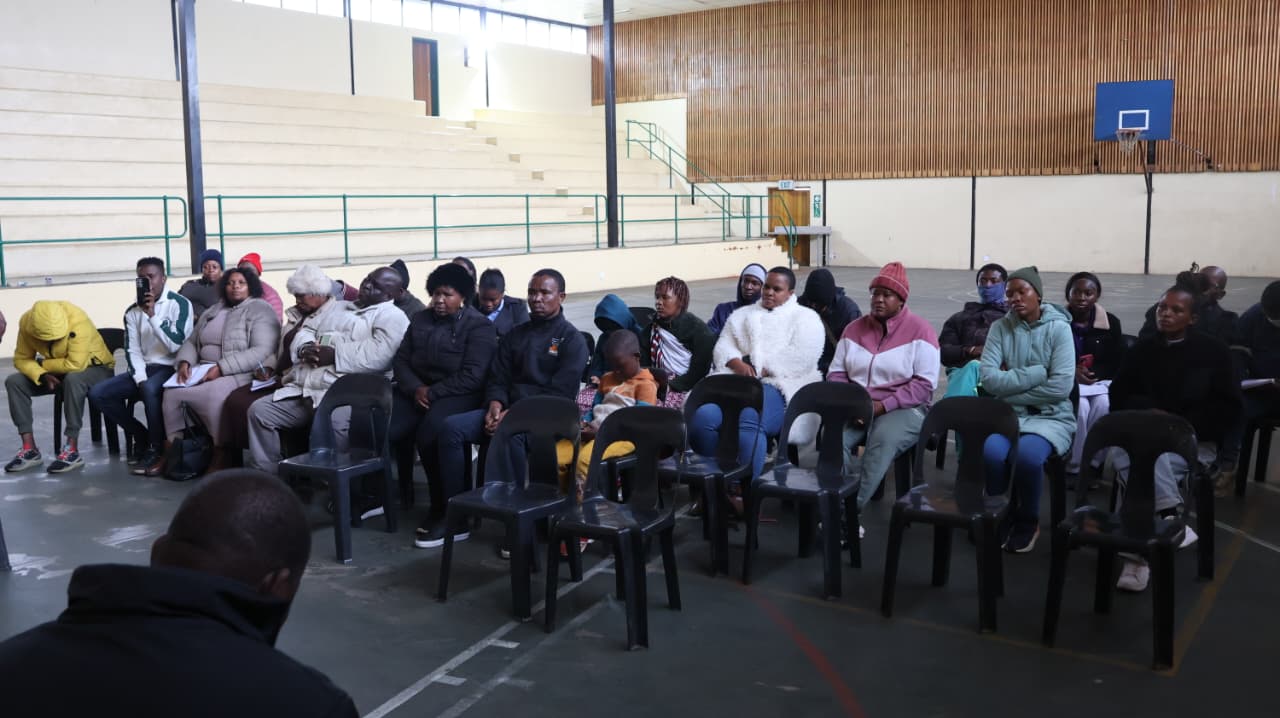
The concerns were raised during a GBVF Rapid Response Team meeting held at the Simon Gondwe Sport Centre on 30 September 2026.
The meeting brought together stakeholders involved in responding to violence against women and children. It followed President Cyril Ramaphosa's address to the nation the previous day on the killings of women in Ekurhuleni and the broader GBVF crisis.
In his address, Ramaphosa directed municipalities to conduct women's safety audits to identify local risks, including broken streetlights, overgrown areas, abandoned buildings, unsafe transport routes and poorly secured public spaces.
He emphasised that municipalities could not wait until violence had occurred before taking action.
“We cannot police our way out of gender-based violence alone.”
Victor Khanye Civil Society Forum Chairperson Nhlanhla Florah Sitoe said the municipality continued to face challenges in addressing GBVF.
The forum identified domestic and intimate-partner violence, alcohol and drug abuse, child abuse, teenage pregnancy, statutory rape and elderly abuse among the problems affecting local communities.
Sitoe said that although the Rapid Response Team attended to some cases, limited resources and poor coordination continued to hamper its effectiveness.
“The Rapid Response Team exists on paper but is not fully effective. It does respond when called, especially through Social Development and the Transversal Office, but response is delayed due to lack of transport, after-hours staff and coordination,” she said.
One of the forum's main concerns is the absence of a Thuthuzela Care Centre in Delmas, forcing survivors to travel outside the municipality to access critical services.
“We do not have a Thuthuzela Care Centre at Delmas Police Station. Victims must be referred to Witbank, and many give up on the way,” Sitoe said.
She said establishing a centre at Delmas Police Station remained the forum's main demand, as survivors should not have to travel to another municipality to receive assistance.
The forum is also calling for a safe shelter or safe house in Victor Khanye to accommodate survivors who cannot safely return to their homes.
Sitoe stressed the need to make the Rapid Response Team more accessible to residents by clearly defining its responsibilities and making contact details available across all wards.
“We need to strengthen the team, formalise it with clear roles and have a contact list in all wards. Civil Society, the Men’s Sector and Traditional Leaders must be fully included,” she said.
The forum wants a 24-hour response system involving civil society, the South African Police Service (SAPS), Health, Social Development, Education and traditional leaders.
It is also calling for victim-friendly training for frontline police officers and a dedicated municipal budget to support GBVF programmes throughout the year.
The forum raised further concerns about victims withdrawing cases because of family pressure or financial dependence. It also highlighted allegations of cases failing to reach court because of lost dockets, delays and victims not being informed about court dates.
Ramaphosa similarly warned that government services needed to function effectively when survivors sought assistance.
“Institutions and programmes mean little if they do not work when a woman needs them.”
He also called for greater involvement from men and boys in challenging behaviour that contributes to violence against women.
In Victor Khanye, civil society believes this requires moving beyond awareness campaigns and ensuring that survivors can access immediate assistance when they need it.
The forum is calling for a functional GBVF Forum, a 24-hour local Rapid Response Team, a Thuthuzela Care Centre in Delmas, a safe shelter and sustained funding for prevention programmes.
Ramaphosa concluded his address with a call for commitments to be translated into action.
“Not simply to mourn. Not simply to condemn. But to act.”