EMALAHLENI – Women-owned businesses in the mining sector have been urged to strengthen their compliance, prepare for funding and position themselves for higher-value opportunities across the mining value chain.
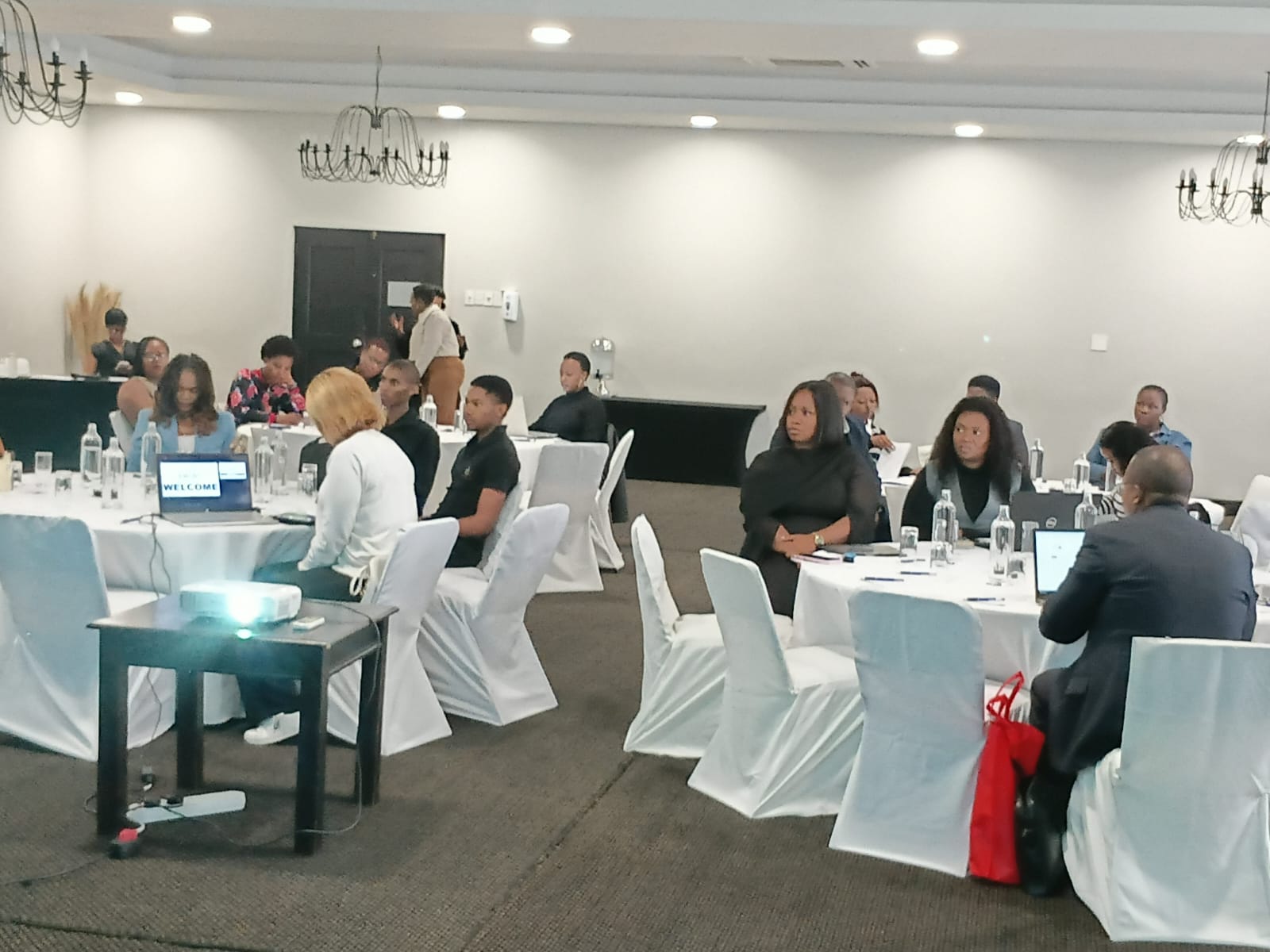
The call was made during the Business Women in Mining (BWIM) Business Finance Masterclass, held in partnership with Absa at ANEW Hotel eMalahleni on 29 September 2026.
The masterclass brought together women entrepreneurs and representatives from financial and enterprise development institutions to address challenges businesses face when seeking funding, contracts and opportunities in the mining sector.
BWIM President Ntombi Mahlangu said many women possessed the skills and capacity to serve the mining industry but lacked access to the finance, business opportunities and networks needed to grow.
“Many women have the skills, expertise and capacity to deliver services to the mining industry, yet struggle to access funding to purchase equipment, meet contract requirements or scale their businesses,” Mahlangu said.
She said BWIM aimed to move beyond discussions about transformation and empowerment by providing practical solutions to the challenges facing women entrepreneurs.
“Our goal is to empower women to move from simply running businesses to building financially sustainable, investment-ready companies that can compete and thrive in the mining value chain,” she said.
Mahlangu encouraged women to look beyond traditional, low-value service contracts and pursue opportunities in technical, engineering, maintenance and other specialised areas of the mining industry.
A key focus of the masterclass was the importance of being financially prepared before approaching potential funders.
Entrepreneurs were encouraged to ensure that their Companies and Intellectual Property Commission (CIPC) registration, South African Revenue Service (SARS) tax compliance, B-BBEE documentation, relevant licences, business plans and financial records were up to date.
Absa representatives outlined financing options available to businesses with secured contracts or purchase orders.
They explained that contract financing could be considered for businesses with contracts from mining companies or government, depending on factors such as contract value, duration, payment terms, affordability, projected cash flow and the applicant's credit profile.
The bank indicated that financing of up to 80% of a contract's value could be considered, subject to its assessment and applicable requirements.
Absa also outlined overdraft facilities designed to assist businesses with short-term working capital, including facilities linked to specific purchase orders and seasonal stock requirements.
Procurement readiness was another key focus, with entrepreneurs encouraged to register on relevant procurement portals and ensure their listed products and services accurately reflected their expertise.
An Absa representative emphasised that obtaining a vendor number did not guarantee a contract, as procurement decisions also depended on technical capability, pricing and the ability to meet tender requirements.
The masterclass further highlighted support available through the Small Enterprise Development Finance Agency (SEDFA) and the National Youth Development Agency (NYDA).
SEDFA provides qualifying small, medium and micro enterprises (SMMEs) with financial and non-financial support, including funding programmes, mentorship and market-access interventions.
The NYDA outlined its support for qualifying young entrepreneurs, including business management training, mentorship, market linkages, business advisory services and grant funding.
Entrepreneurs were also encouraged to specialise and develop a clear area of expertise rather than attempting to offer every type of service.
For BWIM, the masterclass formed part of its efforts to create practical pathways for women to participate meaningfully in the mining economy.
Mahlangu said the organisation wanted to see tangible outcomes, including businesses becoming funding-ready, women securing contracts, generating revenue, creating jobs and building capacity.
The masterclass concluded with a call for entrepreneurs to prepare their businesses before opportunities arise.