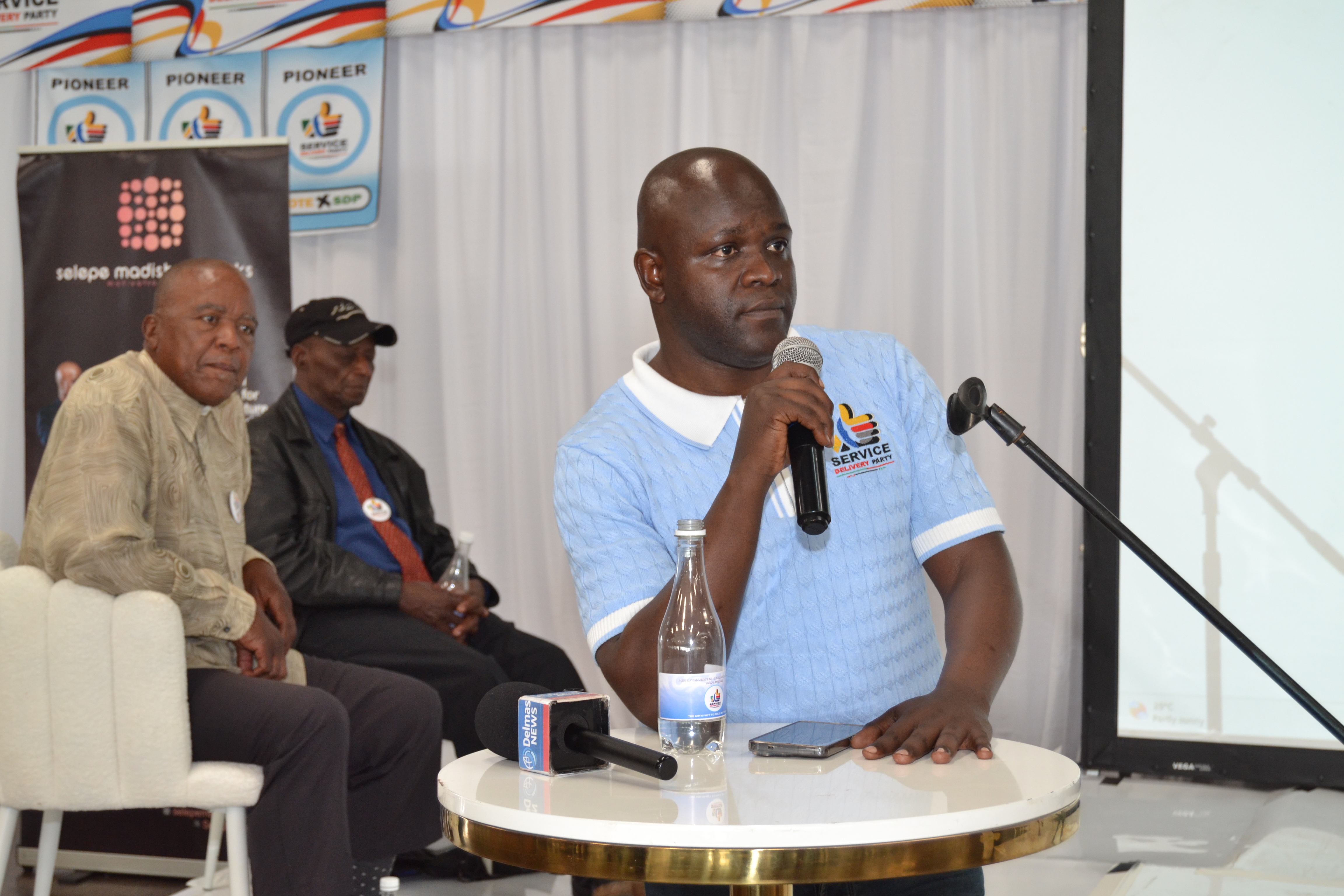
DELMAS — Men in Delmas were urged to look beyond financial provision and take a more active role in their children’s lives during the Men’s Dialogue Conference 2026 at Joheve Conference Hall on Thursday, 24 September 2026.
The conference, organised by the Service Delivery Party (SDP) under the theme Building Responsible Men and Stronger Communities, brought together men, traditional leaders, pastors and community members to discuss fatherhood, responsibility, violence, emotional struggles and the role men can play in strengthening their families and communities.
Motivational speaker Selepe Madisha said being a father should not be measured only by a man’s ability to provide financially, but also by his involvement in his children’s lives.
“Men need to look within themselves, discover their purpose and understand that their value is not measured only by money, but by the character they demonstrate, the knowledge they share and the positive impact they make in their communities,” he said.
Madisha urged fathers to become involved in everyday aspects of their children’s lives, including helping with homework, communicating with teachers and understanding what is happening at school.
For Pioneer Sibonelo Mvelase of Waaikraal, the discussion about fatherhood was shaped by his own experience of growing up without a biological father.
Mvelase said he also witnessed violence in his home, describing his stepfather’s alcohol abuse and physical abuse of his mother. He said his 21-year-old brother, whom he alleged was shot by police, was raised in an environment where violence was present and later struggled with negative influences, including gangsterism, before being expelled from school.
“I grew up without a father, and I know the effects that absence can have on a child. We cannot only look at a man’s actions without asking what shaped him and what he experienced growing up,” Mvelase said.
He said absent and irresponsible fathers should be held accountable, but argued that men also need spaces where they can speak about their own experiences and challenges.
“We need to create spaces where men can speak about their pain, deal with impossible expectations and learn how to become better fathers and role models for their children,” he said.
Mvelase also raised concerns about the pressure placed on men, particularly firstborn sons, to provide financially for their families even when they are unemployed.
He said providing for a family should not only be understood in financial terms and urged fathers to remain involved in their children’s lives even when they cannot provide financially or are separated from them.
Communication key to stronger families
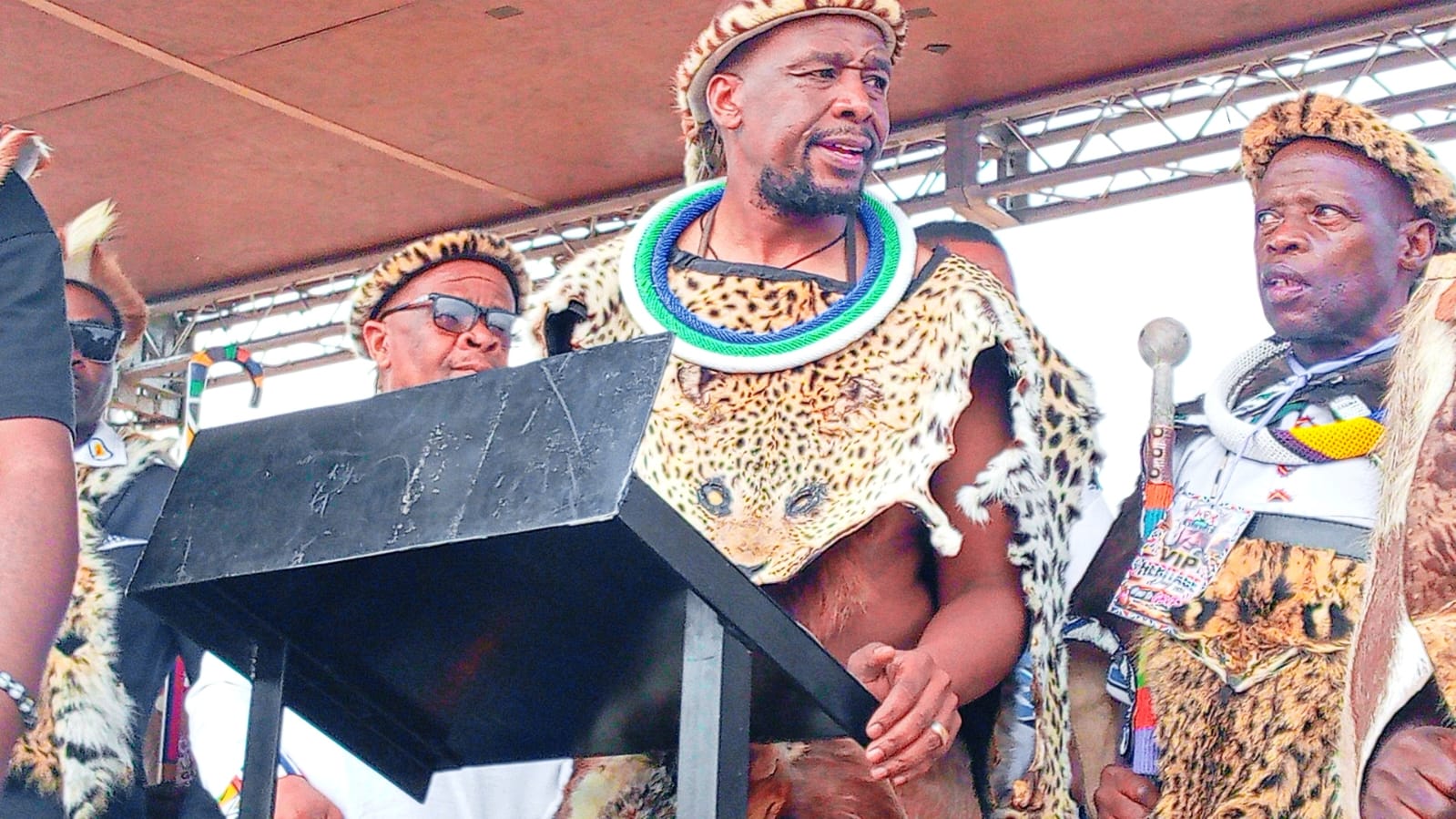
Speaking on behalf of the Ndzundza traditional leadership, Ndabezitha Mduduzi Mahlangu said communication between fathers and children remains an important challenge in many families.
He said traditional councils regularly encounter young people facing difficulties and warned that some turn to drugs and other harmful influences when they have no trusted person to speak to.
“Many fathers struggle to communicate with their children, yet these are issues we encounter regularly in our communities. Young people face many challenges and need someone they can trust and speak to,” Mahlangu said.
“People should not remain silent when they are facing problems. They should find someone they trust, speak about what they are going through and seek help,” he said.
The discussion also focused on the challenges faced by men themselves, with Madisha saying men are often expected to remain strong for their families and communities even when they are experiencing difficulties.
He said men also need support and someone who can ask whether they are coping.
Madisha condemned violence against women while calling for greater recognition of men who also experience violence.
“Men, women must not be killed in our name! Women must not be abused in our name!” he said.
He said communities needed more open conversations about the factors that contribute to violence and ways of supporting boys before problems become more serious.
Character and accountability
SDP national coordinator Thabo Motau said a man’s character is reflected in his everyday conduct, including how he behaves when nobody is watching. He linked responsible manhood to Ubuntu, discipline and accountability.
“Being a man of character means being true to the principles with which you were raised,” Motau said.
He said men should also be willing to acknowledge when they do not have all the answers and seek guidance when necessary.
Motau further called on men to take an interest in their communities, challenge wrongdoing and protect the rights of men, women and children.
“A child from your neighbour’s home used to become your child,” he said.
The conference also touched on local government, with Motau saying the SDP wants people with different skills and experience to contribute to governance. The SDP was formed in Delmas earlier this year and has positioned service delivery and local governance among its priorities.
“We don’t want to rule. We want a better government for this town,” he said.
Motau said discussions about municipal leadership should be linked to the priorities of communities and the skills needed to address them. The conference ultimately placed responsibility, communication and involvement at the centre of its discussion on fatherhood, with speakers calling on men to remain present in their children’s lives while also seeking support when they need it.