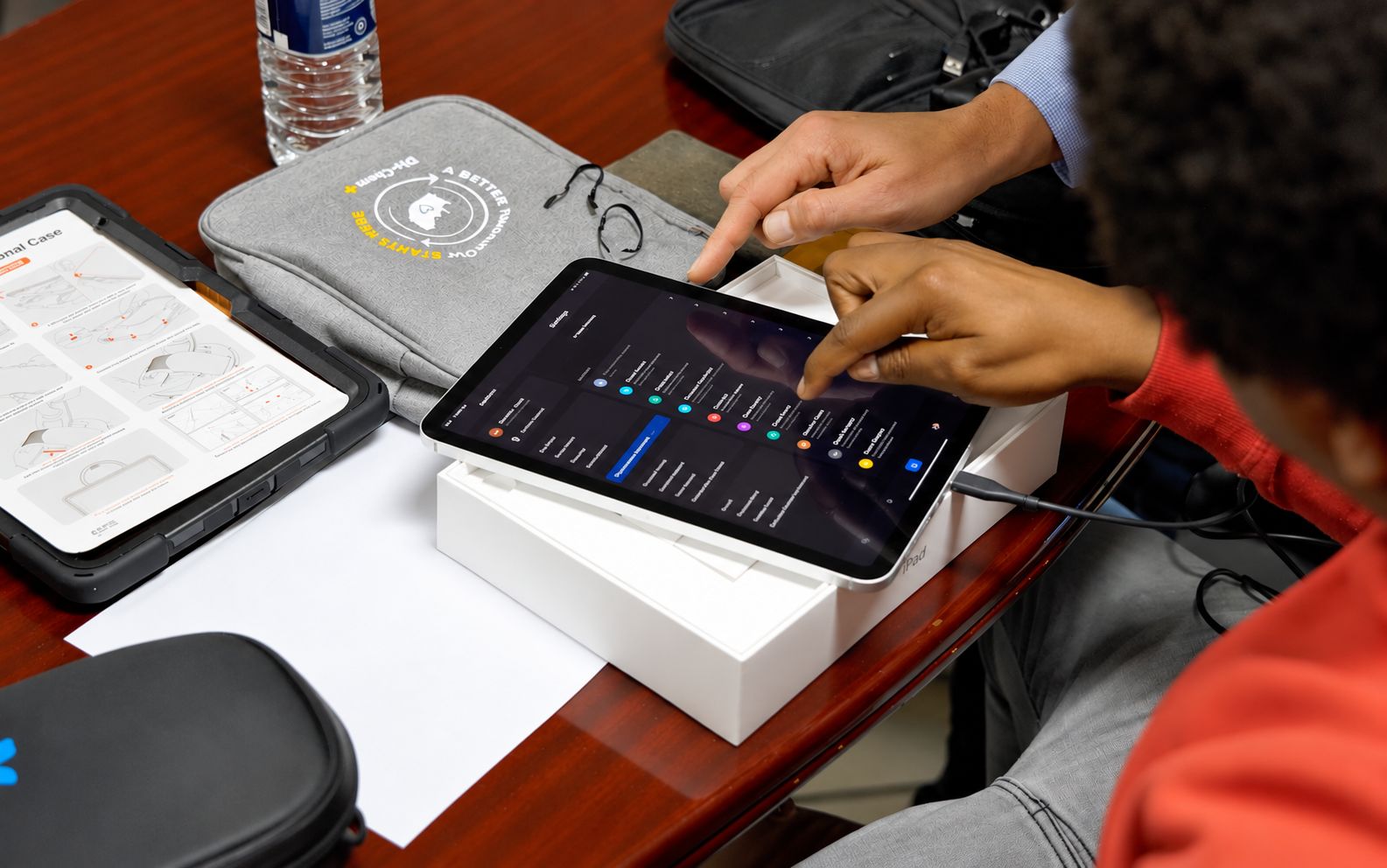
MPUMALANGA — A R1.1 million investment by Dis-Chem through its Better Tomorrow Starts Here programme has enabled nearly 3 000 bedside ultrasound scans at public hospitals across Mpumalanga in just five months.
The point-of-care ultrasound initiative is implemented by Bophelo First Trust (BFT), a non-profit organisation established in 2024 to bridge the gap between public and private healthcare for underprivileged patients.
In partnership with Dis-Chem, BFT has deployed 10 portable ultrasound machines and trained 14 clinicians, enabling surgical, emergency and trauma teams to scan patients at their bedsides and reduce referrals.
According to BFT, 2 865 scans covering abdominal, vascular, trauma and musculoskeletal conditions have been performed since May 2026.
"Better Tomorrow Starts Here addresses pressing societal health challenges across South Africa and looks to find practical ways to improve access to quality care. This programme shows how targeted, practical interventions can unlock additional healthcare capacity within existing public-sector infrastructure," said Dis-Chem Head of Health Equity and Sustainability Joshila Shiba.
Of the R1.1 million investment, approximately R900 000 has been spent, mainly on ultrasound equipment, tablets, accessories, training and the deployment of doctors.
The remaining funds have been allocated to ongoing commitments, including data connectivity and consumables.
The programme initially covered six hospitals: Rob Ferreira Hospital, Themba Hospital, Witbank Hospital, Ermelo Hospital, Mapulaneng Hospital and Tintswalo Hospital.
However, following a review of equipment utilisation, the ultrasound machine at Ermelo Hospital was transferred to Rob Ferreira Hospital to improve its use. The programme now operates across five hospitals, with BFT exploring the possibility of training a replacement clinician at Ermelo.
BFT CEO Dr Mark Wadley said the initiative addresses a diagnostic gap in a province serving nearly five million people.
"Targeted operational interventions have the potential to unlock additional healthcare capacity within existing public-sector infrastructure. With point-of-care ultrasound, a trained clinician can perform a focused scan beside the patient and interpret the findings in real time," Wadley said.
Dr David Marubini, one of the trained clinicians, said bedside scanning has reduced waiting times for critically ill patients.
"Before we had ultrasound in our department, a patient arriving with severe abdominal pain or injuries from a road accident often had to wait before we could see what was happening internally. Sometimes they had to be transferred to another hospital first. Now I can scan at the bedside within minutes," he said.
BFT said the initiative is a multi-year capacity-building programme rather than a once-off donation.
Two groups of clinicians completed training in May and August 2026. However, the number of active clinicians has dropped to 12 after one left for specialist training and another exited the programme. Plans are underway to restore the number to 14.
The programme's expansion will follow a train-the-trainer model, allowing participating doctors to train colleagues within their departments.
According to BFT, if each of the 12 active doctors trains three colleagues, an additional 36 clinicians could acquire ultrasound skills using the existing equipment.
The programme was introduced through direct engagements with hospitals and agreements with clinicians, without a provincial Memorandum of Understanding with the Mpumalanga Department of Health. However, the department is aware of and supports the initiative.
Funding for data connectivity and consumables has been secured until July 2031, while ownership of the equipment is expected to be transferred to the hospitals.
Maintenance and equipment replacement plans are still being finalised with Dis-Chem.
"The next phase will focus on improving how the clinicians' ultrasound images and video clips are stored and uploaded to the cloud. This will support AI-assisted quality assurance and training," Wadley said.