MIDDELBURG – Gender-based violence (GBV) cases in the Nkangala District increased from 888 between April and June 2026 to 900 between July and September, while cases involving children rose from 140 to 164.
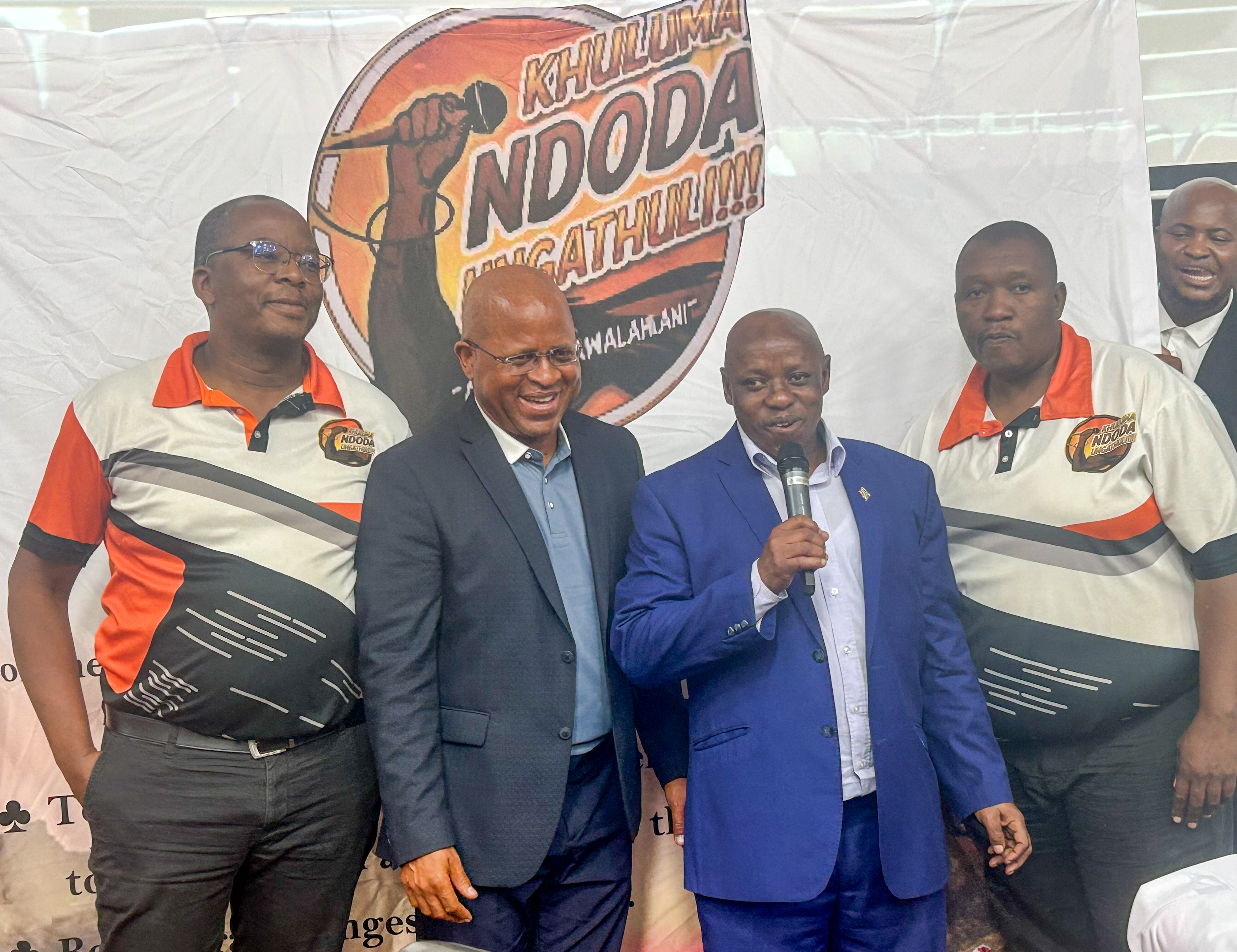
The figures were contained in a GBV crime statistics report tabled by Speaker Cllr Kabelo Boshomane during the Men’s Parliament session at the Nkangala District Municipality chamber on Thursday, 8 October.
According to the report, total GBV cases increased by 12 between the first quarter, covering April to June, and the second quarter, covering July to September. The offences included common assault, assault with intent to do grievous bodily harm (GBH), rape, attempted rape, murder, sexual assault, contact sexual offences, attempted murder and child abuse.
While cases involving women decreased from 748 to 736, those involving children increased from 140 to 164.
Vosman, Witbank and KwaMhlanga remained the district’s main GBV hotspots.
Vosman Police Station recorded the highest number over the six-month period, with 257 cases – 129 in the first quarter and 128 in the second.
Witbank followed with 228 cases, increasing from 109 to 119. KwaMhlanga recorded 200 cases, declining from 109 to 91.
Delmas and Siyabuswa each recorded 70 cases in the second quarter. Siyabuswa recorded the largest increase among the stations, rising from 57 to 70 cases.
Together, Vosman, Witbank, KwaMhlanga, Siyabuswa and Delmas accounted for more than 60% of all GBV cases recorded in Nkangala.
Common assault remained the most reported GBV crime in the second quarter, with 436 cases, followed by assault GBH with 272. Vosman recorded the highest number of common assault cases at 70, while Witbank recorded the highest number of assault GBH cases at 34.
Rape cases decreased from 126 in the first quarter to 115 in the second. Vosman recorded the highest number at 17, followed by Delmas with 14 and KwaMhlanga with 13.
Attempted rape cases increased from seven to 11, with Siyabuswa recording three cases in the second quarter.
GBV-related murder cases decreased from 11 to eight, while attempted murder cases fell from 18 to 12. Sexual assault cases, however, increased from 23 to 29, with Witbank and Siyabuswa recording six each.
Contact sexual offences also increased from five to nine cases, with Kriel recording three involving child victims.
Opening the Men’s Parliament, Boshomane called for the district to move “from awareness to measurable change”.
He called for a men’s pledge condemning GBV and femicide, along with commitments not to protect perpetrators, excuse abusive behaviour or remain silent when someone is being abused.
Boshomane also called for greater education and mentorship for young boys.
“We must teach our boys that strength is not violence. Strength is respect, responsibility and protection of life.”
He urged a coordinated response when women and children are in danger, including clear information on where to report abuse and the protection mechanisms available.
Boshomane said municipalities also had a responsibility to create safer communities through adequate lighting, safe public spaces and proper planning.
“Accountability cannot end when microphones are switched off,” he said. “The time for silence is over. The time for excuses is over. The time for accountability is now.”
The Men’s Parliament was attended by representatives from Khuluma Ndoda Ungathuli, the Men’s Sector, Moral Regeneration Movement, House of Traditional Leadership, the Departments of Social Development and Health, faith-based organisations and community members.