EMALAHLENI – A pilot programme testing the use of methadone as part of opioid agonist treatment is bringing a new approach to substance-use treatment, while highlighting the growing demand for rehabilitation and other support services in communities such as Ezinambeni.
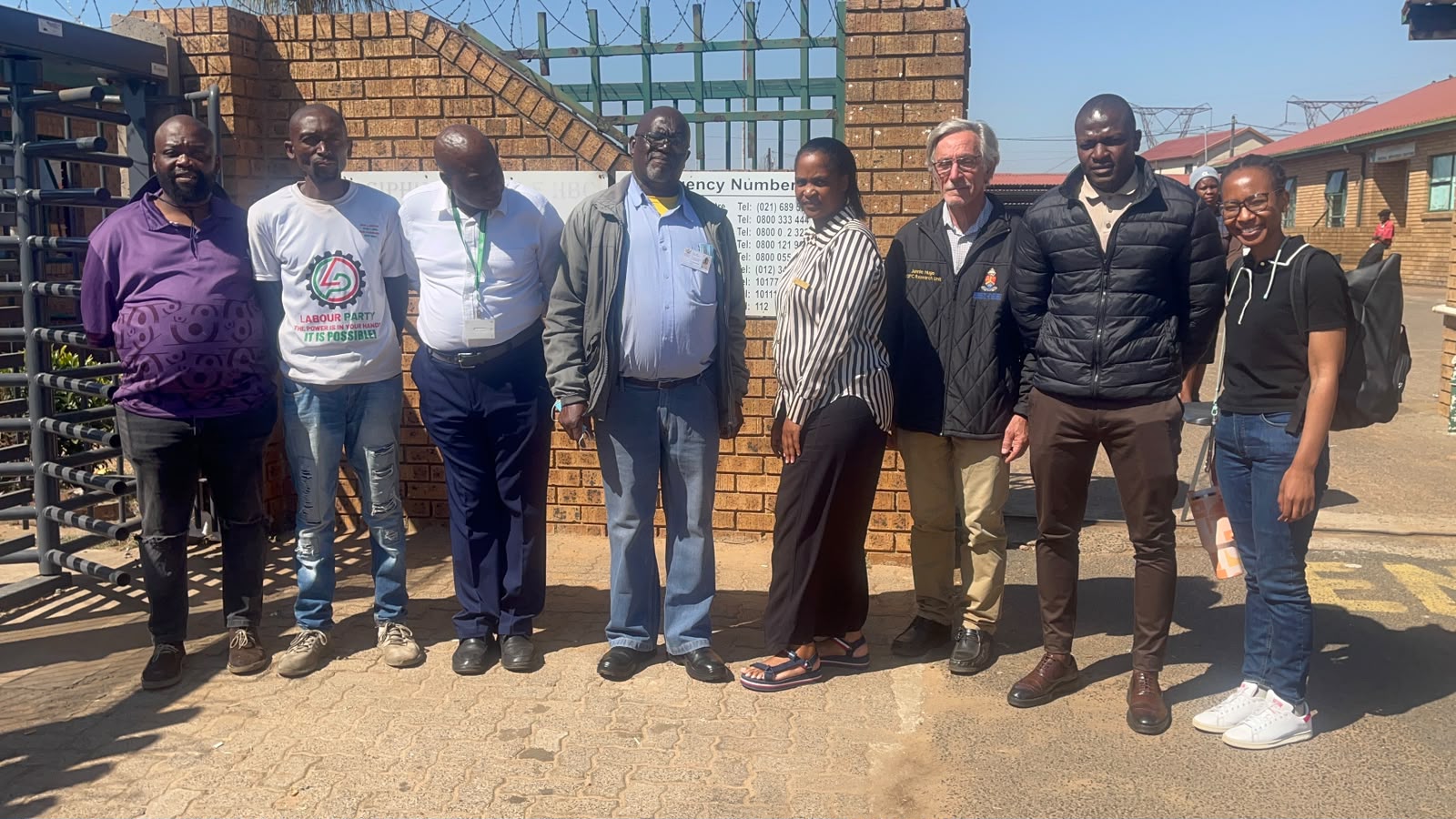
The programme was discussed with community members during an information session held on 19 August 2026 at Siphosensimbi Community Health Centre (CHC) in Ezinambeni.
Led by the Department of Health, together with researchers from the University of Pretoria, the pilot aims to test whether opioid agonist treatment can be successfully delivered at community health centre level.
The pilot is being implemented at selected clinics in Mpumalanga and North West, with one clinic selected in each province and 15 participants to be enrolled at each facility.
At Siphosensimbi CHC, the programme will provide methadone to eligible participants as part of a structured treatment programme. The 12-month pilot is intended to contribute to decisions about the possible expansion of opioid agonist treatment services in South Africa.
Speaking during the information session, Dr Kgalabi Ngako from the National Department of Health said the project would help determine whether methadone could be successfully delivered through community health centres.
“We want to initiate about 15 people on methadone to test the feasibility and acceptability of providing methadone in a CHC,” Ngako said.
Treatment goes beyond medication
Methadone is an opioid agonist medication used to help people with opioid dependence manage withdrawal symptoms and reduce cravings.
However, the programme is not based on medication alone. Participants will also receive psychological support, social work services and counselling, including guidance on the risks associated with mixing substances.
Health officials also discussed possible side effects, including constipation, and encouraged participants to report any adverse effects or concerns to healthcare professionals.
University of Pretoria researcher Mmaila Molebatsi said people interested in participating would first undergo screening to determine whether they qualify for the pilot.
With only 15 places available at the clinic, not everyone seeking assistance will necessarily qualify. Those who do not meet the study criteria may be referred to alternative support services where appropriate.
Community demand outstrips capacity
Although residents welcomed the pilot, many questioned whether 15 places would be enough to meet the community’s need for addiction treatment.
Parents and residents spoke about the impact of substance abuse in Ezinambeni and surrounding communities, saying demand for assistance far exceeds available services.
Residents asked how participants would be selected, about possible side effects and treatment procedures, and whether those enrolled would attend the clinic regularly. There were also calls for the programme to be expanded if the pilot produces positive results.
For many families, access to rehabilitation remains a major challenge, particularly for those who cannot afford private treatment.
One mother, who asked not to be identified, said her family had struggled to find affordable rehabilitation for her child.
“We don't have the money to send them to rehab,” she said.
She hoped those accepted into the programme would attend their appointments consistently and remain committed to treatment.
The session also highlighted that people affected by substance use may require different forms of treatment.
Nkululeko Mathibela, who said he had been using substances for approximately 21 years, said he did not believe methadone was the treatment he needed.
“For me, this issue of methadone won't help me,” Mathibela said.
He said he believed he needed detoxification and rehabilitation and wanted to seek assistance through organisations such as SANCA.
His experience highlighted an important distinction: methadone treatment is specifically aimed at opioid dependence and is not a universal treatment for every form of substance use.
Pilot could shape future access to treatment
For the Department of Health and its research partners, the pilot will provide evidence about delivering opioid agonist treatment within South Africa’s primary healthcare system.
The project will examine how treatment is delivered in community healthcare settings and how participants respond, with screening, clinical monitoring, adherence, counselling and psychosocial support forming part of the process.
For Ezinambeni residents, the information session also highlighted a wider community challenge: the need for substance-use treatment is far greater than the number of places currently available.
As the pilot progresses, families and community members will be watching to see whether it delivers meaningful results and whether its findings can contribute to expanded access to treatment and support for people affected by opioid dependence.