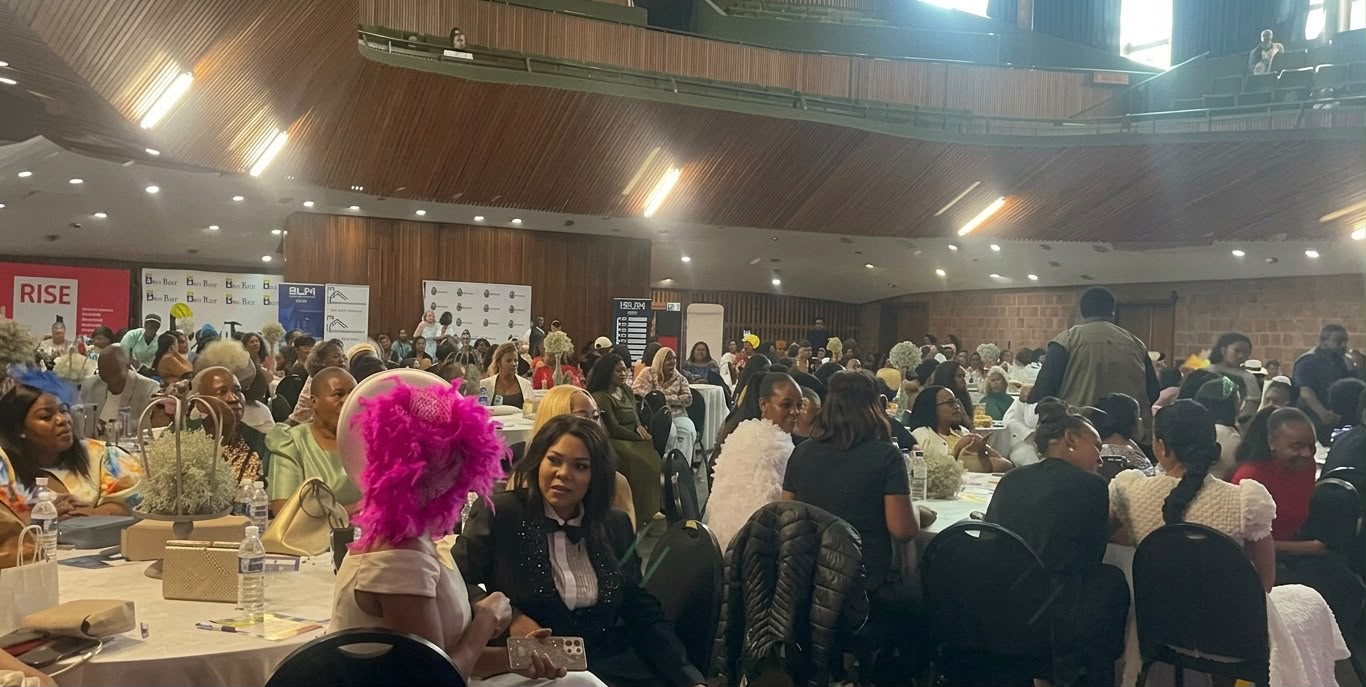
EMALAHLENI – There are moments when a gathering becomes more than an event – when a room full of people becomes a reminder of what is possible when women choose to stand together.
That was the spirit at the eMalahleni Civic Hall on 22 August, when women from different walks of life gathered for the Let Her Grow empowerment event, hosted by Mmasechaba Makua, founder of Let Her Grow.
The event brought together influential women, professionals, leaders, entrepreneurs and community members around a common message: women must create opportunities for one another rather than compete to close doors.
At the heart of the gathering was a call to let women grow beyond the experiences that have limited them.
“Let her grow beyond the pain she never talked about. Let her grow beyond the fear that told her she’s not enough. Let her grow beyond the past that tried to define her,” was among the messages shared during the event.
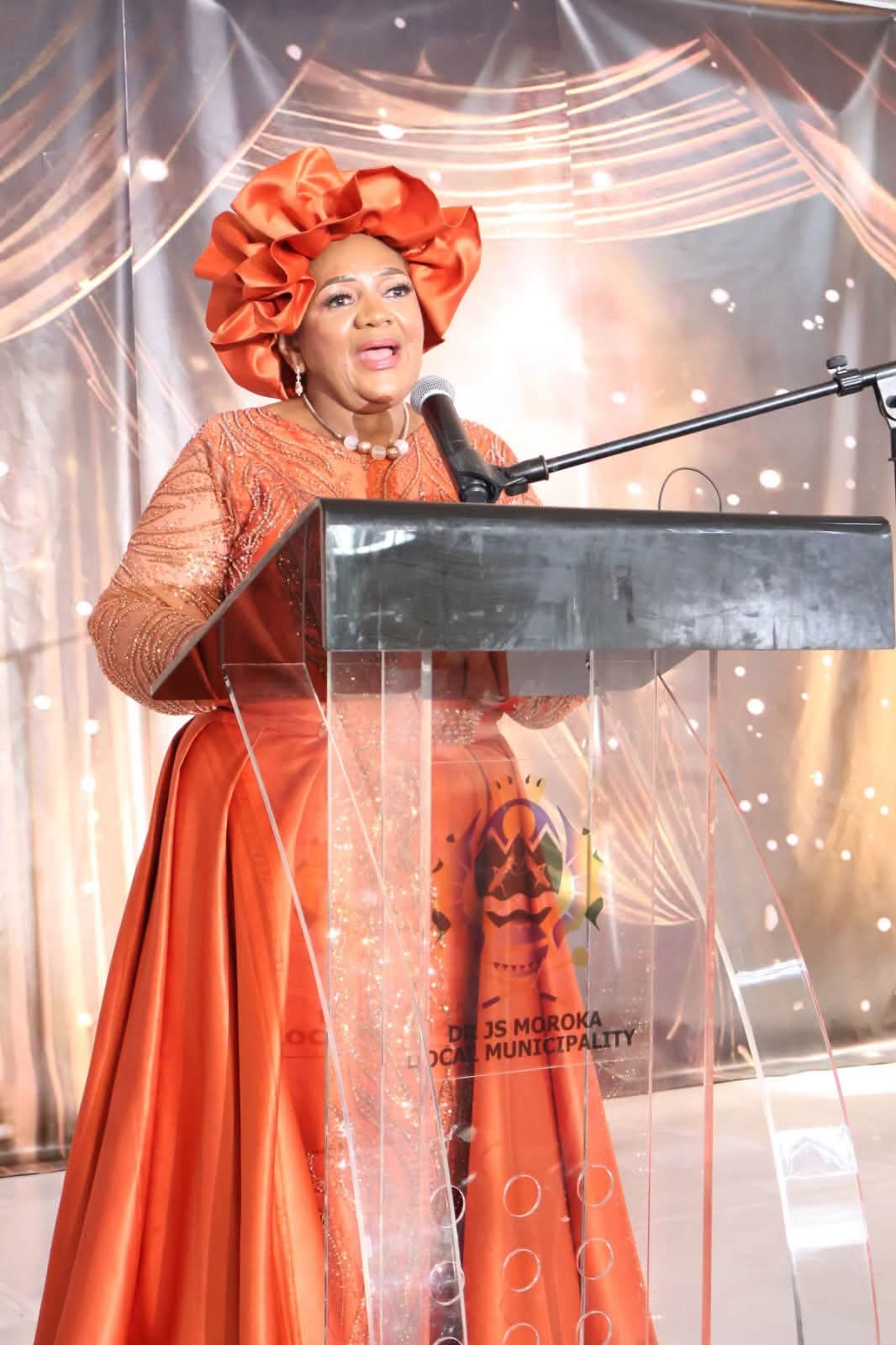
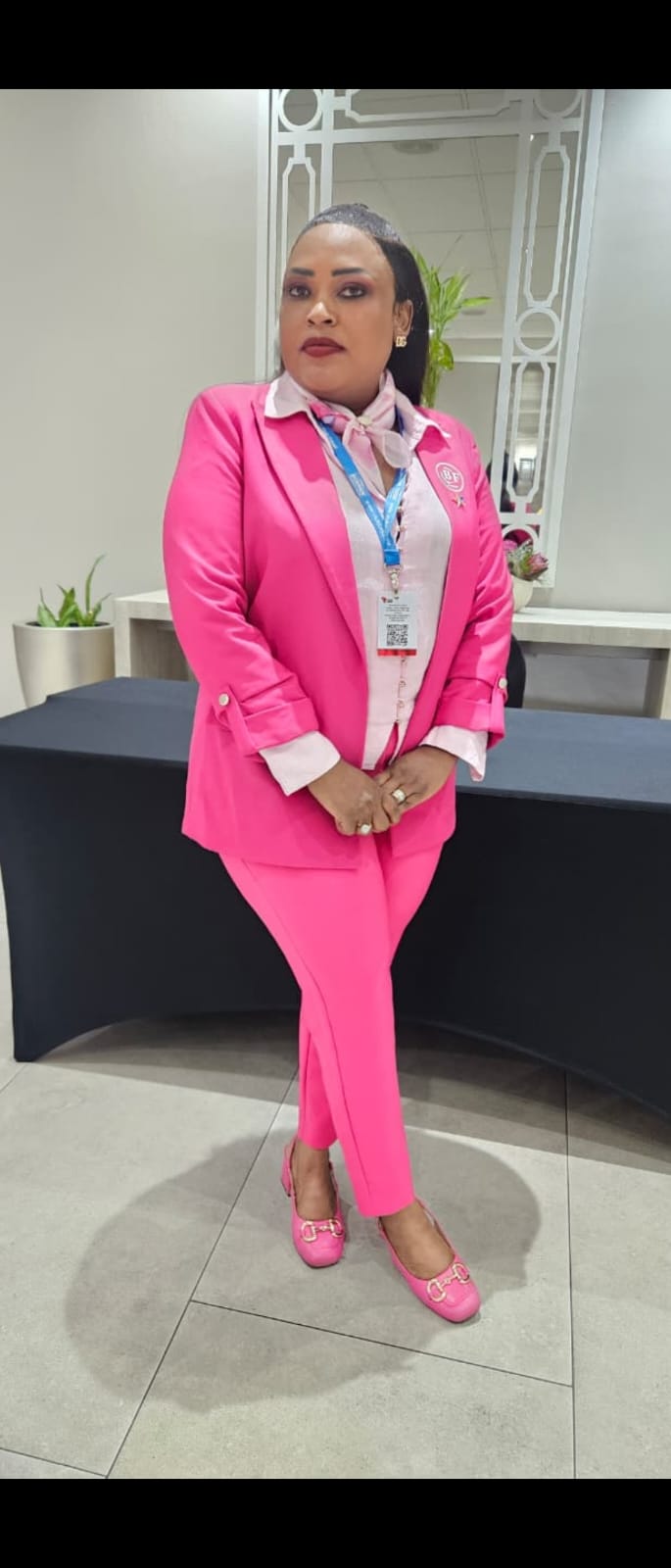
The programme featured speakers whose personal journeys and professional achievements reinforced the importance of representation, opportunity, resilience and women supporting women.
Mpumalanga Director-General Maggie Skosana challenged women to recognise the collective power they possess when they unite around a common purpose.
“When women unite around a common purpose, they become an unstoppable force of change,” Skosana said.
She emphasised that women should not be confined to traditional roles, highlighting their growing influence as leaders, innovators, entrepreneurs, professionals, decision-makers and builders of institutions.
“As women rise, we must build a culture in which one woman’s success becomes another woman’s opportunity,” she said.
Skosana also highlighted the importance of increasing women’s representation in senior leadership, saying the target should be 50% representation at senior management level.
Professor Mamokgethi Phakeng brought another dimension to the conversation, urging women and young people to recognise and act when opportunities arise.
“Opportunity doesn’t announce itself,” Phakeng said.
She encouraged attendees to embrace education, initiative and entrepreneurship, while reminding young people that they do not need to have everything figured out before beginning.
“You don’t have to have a degree to start a movement, to run with your idea,” she said.
Phakeng also encouraged women to recognise the value of their time, knowledge and skills, reminding them that growth requires action.
For celebrated actress and entrepreneur Connie Ferguson, the conversation centred on identity, change and resilience.
Known to many for her iconic role as Karabo on Generations, Ferguson spoke about the different versions of ourselves that emerge throughout life.
“When women gather, we are simply not just gathering. We are carrying stories. We’re carrying dreams. We’re carrying disappointments,” she said.
Ferguson’s own journey reflects continual reinvention. Born in Kimberley, she moved with her family to Botswana at the age of six during the 1976 riots and later moved to Johannesburg at 19 in pursuit of new opportunities.
Her father introduced her to karate, where discipline became part of her foundation. Years later, she walked away from her 16-year career on Generations at the age of 40, stepping into uncertainty and a new chapter.
Her journey also includes marriage, motherhood, divorce, finding love again, entrepreneurship and the loss of her husband – experiences that shaped her understanding of resilience and becoming.
At 56, Ferguson’s message was not about reaching a final destination, but understanding that life continually introduces people to new versions of themselves.
“One of the most extraordinary things about being a woman is the fact that we are constantly becoming,” she said.
She encouraged women not to allow fear to make decisions on their behalf, saying resilience can sometimes mean having the courage to let go and begin again.
eMalahleni Speaker M Shabangu addressed another issue affecting women’s progress – what she described as the “pull-down syndrome”.
“As women, we face several challenges for generations and centuries. But one of our top failures and challenges is pull-down syndrome,” Shabangu said.
She urged women to support one another, challenge patriarchy and take their rightful space.
“We can only be great if we support each other because our power and strength is in our unity as women,” she said.
The gathering also created room for conversations about healing and personal growth, encouraging women to read, learn, unlearn and heal.
“Your mind is your garden; what you water will grow,” one of the messages shared at the gathering said.
Another acknowledged that women can experience brokenness without losing their worth: “Broken soil is still soil. Flowers still grow there.”
For Makua, bringing these voices together was a significant achievement, creating an environment where stories could meet stories, experience could speak to ambition, and women could be reminded of their own possibilities.
Ferguson captured the importance of representation in her message to the women.
“You don’t need a title, you don’t need a platform or a microphone for your life to become evidence,” she said.
For the women gathered in eMalahleni, the message was ultimately about more than one day of conversations. It was about creating space for women to support one another through ambition, healing, leadership and change.
Let her dream. Let her rise. Let her grow.