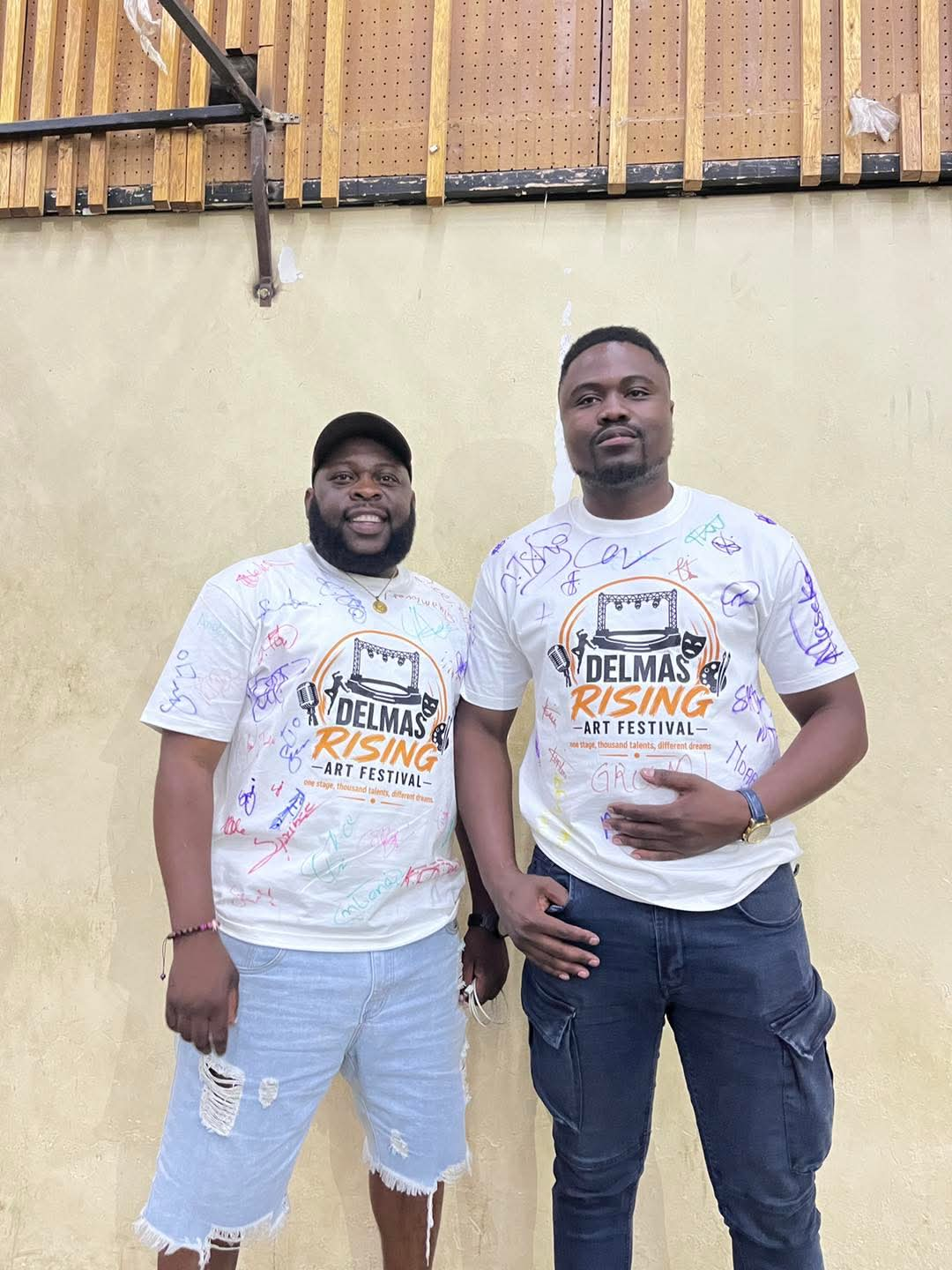
DELMAS — More than 40 groups took to the stage at the Delmas Rising Art Festival on 17 October, transforming the Simon Gondwe Sport Centre into a platform for music, dance, theatre and other creative arts, as organisers sought to create opportunities for local artists beyond the stage.
The festival, held from 09:00 to 22:00, attracted hundreds of community members and brought together local performers under the theme, “One Stage for Different Dreams and Talents”.
Organised by Hope of Hopeless Youth Centre and Masakhane Youth Development, the event aimed to give young people an opportunity to showcase their talents, build connections and explore opportunities in the creative industry.
Speaking to the Highveld Chronicle, organisers Relebohile Ndebele and Simone Mohale said the festival grew out of a local talent initiative first held in 2025.
Initially known as the Delmas Talent Show, the event was organised by Hope of Hopeless Youth Centre in collaboration with Rise Mpumalanga Talent. It was attended by Patrick Mofokeng and other artists affiliated with Rise Mpumalanga Talent.
This year's festival marked a new chapter, with Hope of Hopeless Youth Centre joining forces with Masakhane Youth Development.
Ndebele and Mohale said the partnership was driven by their shared vision for youth development. Instead of hosting separate events with similar objectives, the organisations combined their efforts to create a stronger platform for local talent.
The festival featured a diverse line-up of performers and creative groups, showcasing the range of talent in and around Delmas.
Participating groups included Special Stars, Gondwe Stars, Mampara 038, Rising Young Stars, Amakgotsha Amnyama, LDM, V.com, Tamati Sauce, Sniper, The Healing Harmonies, Imbewu, Amanikiniki, Liz, L.L Imbongikazi Yemfihlakalo, B.C Imbongikazi, Drip Gang, Red Reyes, Thulebona Dah P, Lang’elingabukeki, Nicholas, Mbatha and Perth’s Dah Poet.
Other participants included Home Boys, Hope on Sarafina, Gifted Theoretical Productions, Ntelezi Scathamiya, The Ascension of Christ, M.T.J Mr Full J, IMN 03 RSA, PRO-MISE, Malume Uncool, King Marcus, C’GOO, V.X.T’s, Lesedi Show Choir, T.Y.C, Kwaito Mantra, Semi Tone, Child of God, Black Force, Dimension, Normza Stiz, Mshengu, Art Khanye and Erubhini Art.
According to the organisers, entry and participation were free, with registration open to interested groups on a first-come, first-served basis.
The programme featured gwijo, pantsula, cultural performances, gospel, comedy and fashion, alongside music, dance, theatre and visual arts.
Organisers also provided lunch and selected a central venue to make the event more accessible to participants.
Beyond providing a stage for performers, the organisers want the festival to create lasting opportunities for young artists.
Ndebele and Mohale said participants benefited from business exposure, prizes for first and second place, and professional photographs and videos to help build their portfolios.
They are also compiling a database of artists to connect performers with future events and potential paid bookings.
Looking ahead, the organisers plan to introduce training in stage presence, personal branding and ways to earn an income through creative work. They also hope to connect promising performers with established artists for mentorship and assist them in securing paid gigs.
Future editions could also feature expanded prizes, including studio time and branding packages.
The organisers said the festival was made possible through partnerships and in-kind contributions rather than funding from a single major sponsor.
Partners included Delmas First, Victor Khanye Local Municipality, Sibiyangani Trading, LM Studios, We Are Jeel, Vezile Security Services and Perfectwater Delmas.
Their contributions helped cover venue costs, sound, prizes, lunch, printing and security.
Ndebele and Mohale said full financial information would be shared with partners and the municipality, while individual contribution amounts would remain confidential unless contributors consented to their disclosure.
They acknowledged several challenges in organising the festival, including a limited budget, managing a full-day programme and rebuilding trust among young people who felt overlooked.
However, local partnerships, volunteers and direct community engagement helped them overcome these challenges.
To measure the festival's impact, the organisers plan to track new artist registrations, continued participation in creative activities, temporary jobs created during the event and paid bookings secured by performers afterwards.
They also intend to monitor the use of local service providers to assess the festival's contribution to businesses in Delmas.
Their long-term goal is to establish a sustainable platform where local artists can develop their skills, gain exposure and access opportunities in the creative industry.
For Hope of Hopeless Youth Centre and Masakhane Youth Development, the festival marks the beginning of efforts to build a stronger local arts community, expand their partnership and create more opportunities for young people in the years ahead.