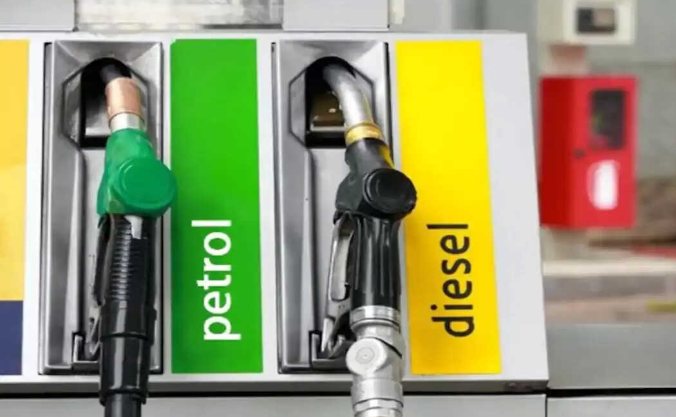
NKANGALA — Residents and businesses across Nkangala are bracing for rising food and transport costs after a sharp fuel price increase took effect on Wednesday, 06 May 2026.
Petrol increased by R3,27 per litre, bringing the inland price of 95 Unleaded to R26.63. Diesel rose by up to R5,27 per litre, now costing between R34,17 and R34,38 inland. Illuminating paraffin and LPGas also increased by R4,22 and R5,07 respectively.
The Department of Mineral and Petroleum Resources attributed the hike to higher global oil prices, a weaker rand and a R1,23 per litre slate levy introduced to recover a R14,17 billion under-recovery.
Brent crude oil climbed to $101 per barrel following the closure of the Iran-Oman sea passage.
Temporary levy relief will remain in place until early June, while full fuel levies are expected to return on 01 July. The impact is already being felt across key sectors.
Transport operators say the diesel increase will drive up delivery costs and commuter fares.
In eMalahleni, taxi driver Sipho Nkosi said operators may be forced to reduce services.
“We can’t afford to run empty routes. If fuel keeps rising, fares will have to go up or we park the taxis,” he said.
Agriculture is also under pressure. In Steve Tshwete, farmer Maria Dlamini said diesel costs affect every stage of production, from irrigation to transporting produce.
“This increase means I’ll plant less this season. When farmers cut back, food becomes scarce and more expensive in the shops,” she said.
Households are already adjusting to the rising cost of living.
In eMakhazeni Local Municipality, domestic worker Thandi Mokoena said her monthly transport costs have risen by R200, forcing her to cut back on essentials.
“I now have to choose between paraffin for cooking and getting to work. That’s the reality for many of us,” she said.