EMALAHLENI — From the streets of Ezinambeni in eMalahleni to national platforms addressing Gender-Based Violence and Femicide (GBVF), Abongile Mcoki has emerged as a recognised community activist dedicated to supporting survivors and advocating against gender-based violence.
Known for her consistent presence at community events, court proceedings and awareness campaigns, Mcoki has built a reputation as an advocate who supports survivors and challenges the silence surrounding gender-based violence.
Behind her public role, however, lies a deeply personal story of survival.
“I describe myself as a GBV survivor before anything else,” she said.
Mcoki said her lived experience shaped her journey from survivor to advocate and eventually to national activism.
She is the founder and chairperson of All Voices Matter and serves as Secretary-General of the National Stakeholders Forum Against GBV and Femicide. Through these platforms, she said her focus is to ensure that survivors are heard, supported and empowered.
Her involvement in activism was not driven by recognition.
“There was no single moment. It was a journey of healing, reflection and understanding. For a long time, I carried my experiences privately, as many survivors do,” she said.
As she engaged with other survivors, she realised that her experience was not unique.
“I began to understand that healing is not only about recovering from what happened to you, but also about helping to create a world where fewer people have to experience the same pain,” she said.
That realisation, she said, transformed personal pain into purpose.
“I made a decision that if my experiences could help even one person feel less alone, then my journey could serve a purpose beyond myself,” she said.
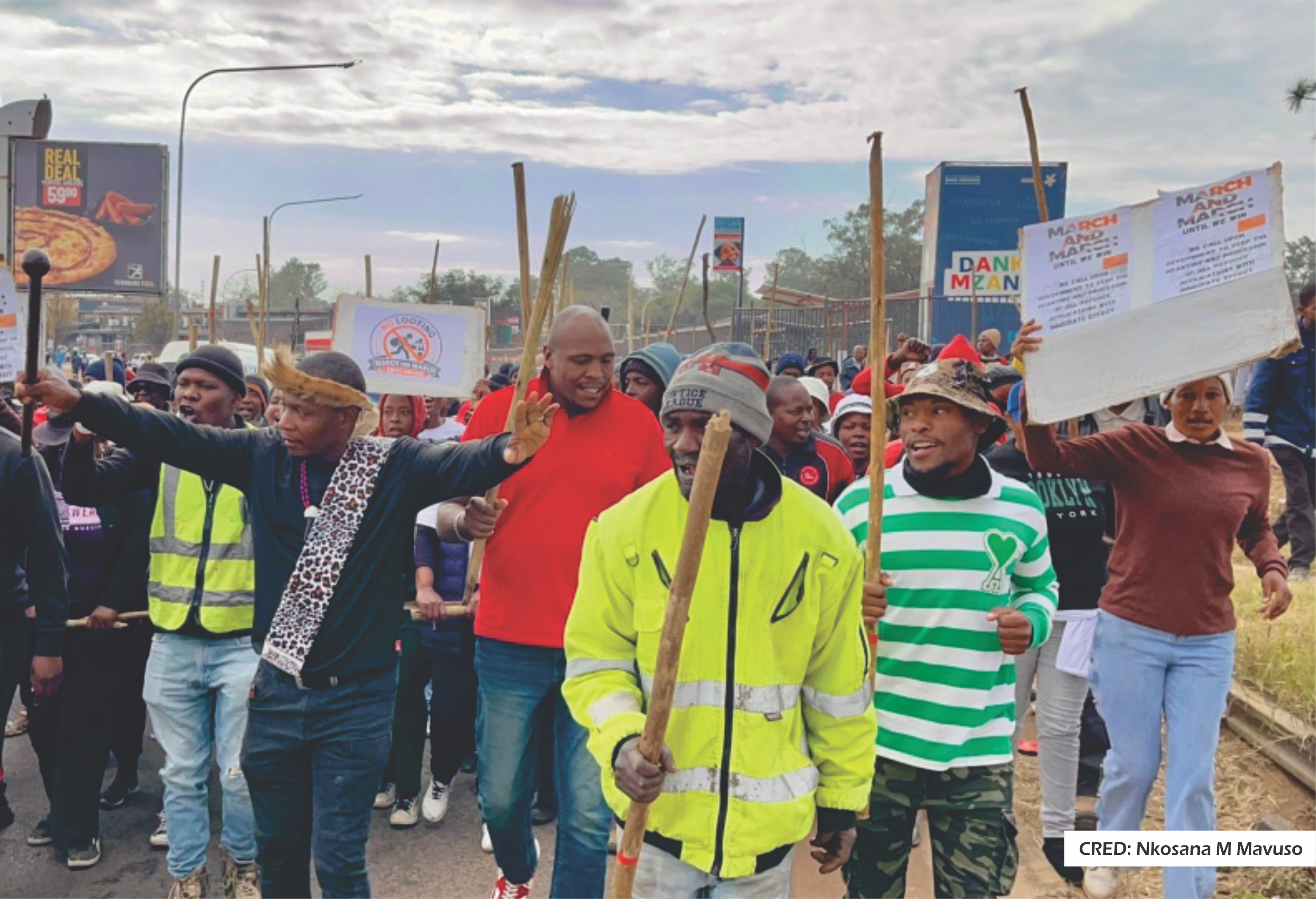
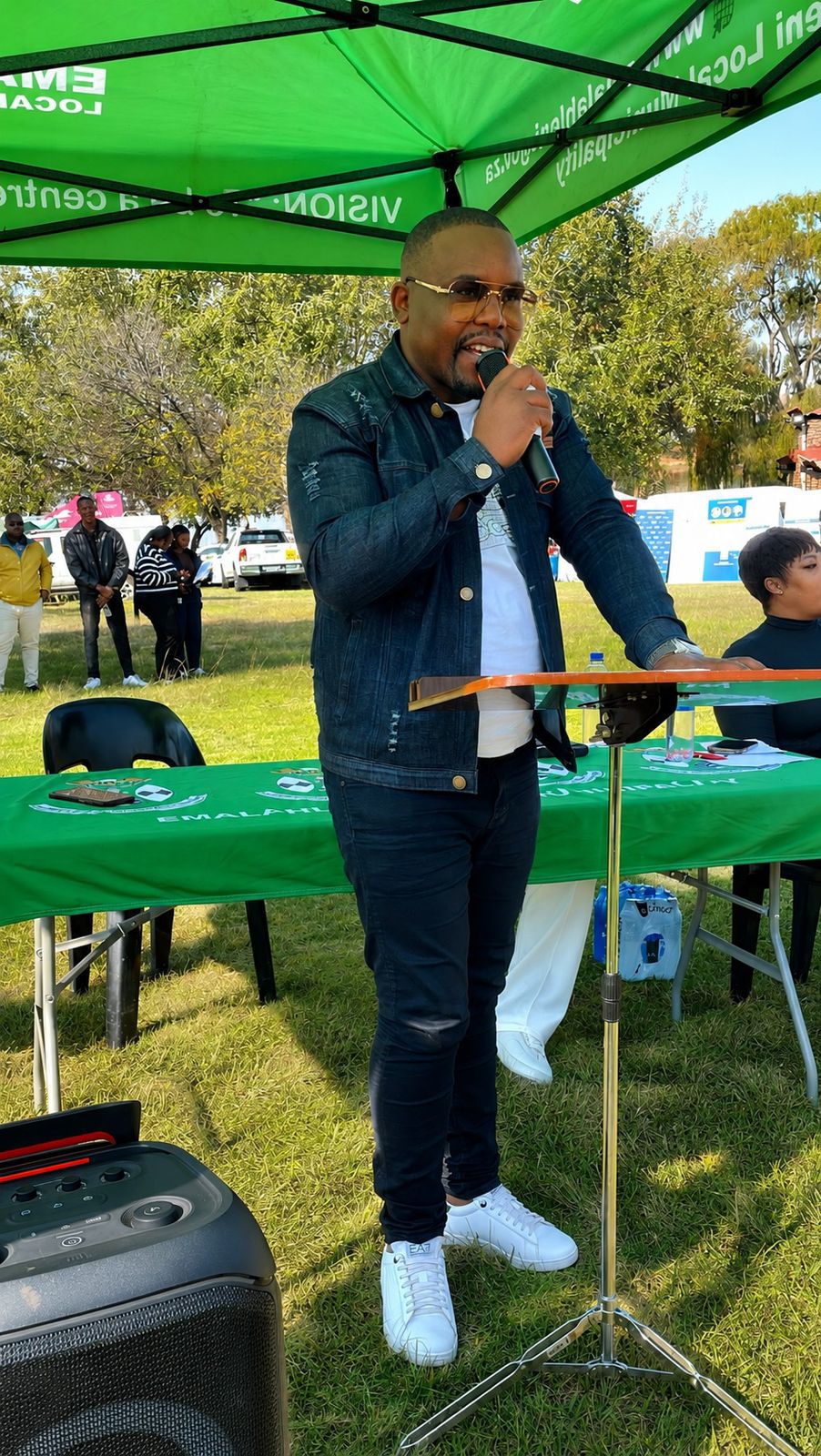
Today, Mcoki is a familiar figure at GBVF-related engagements across Mpumalanga and beyond, often supporting survivors and bereaved families through difficult processes.
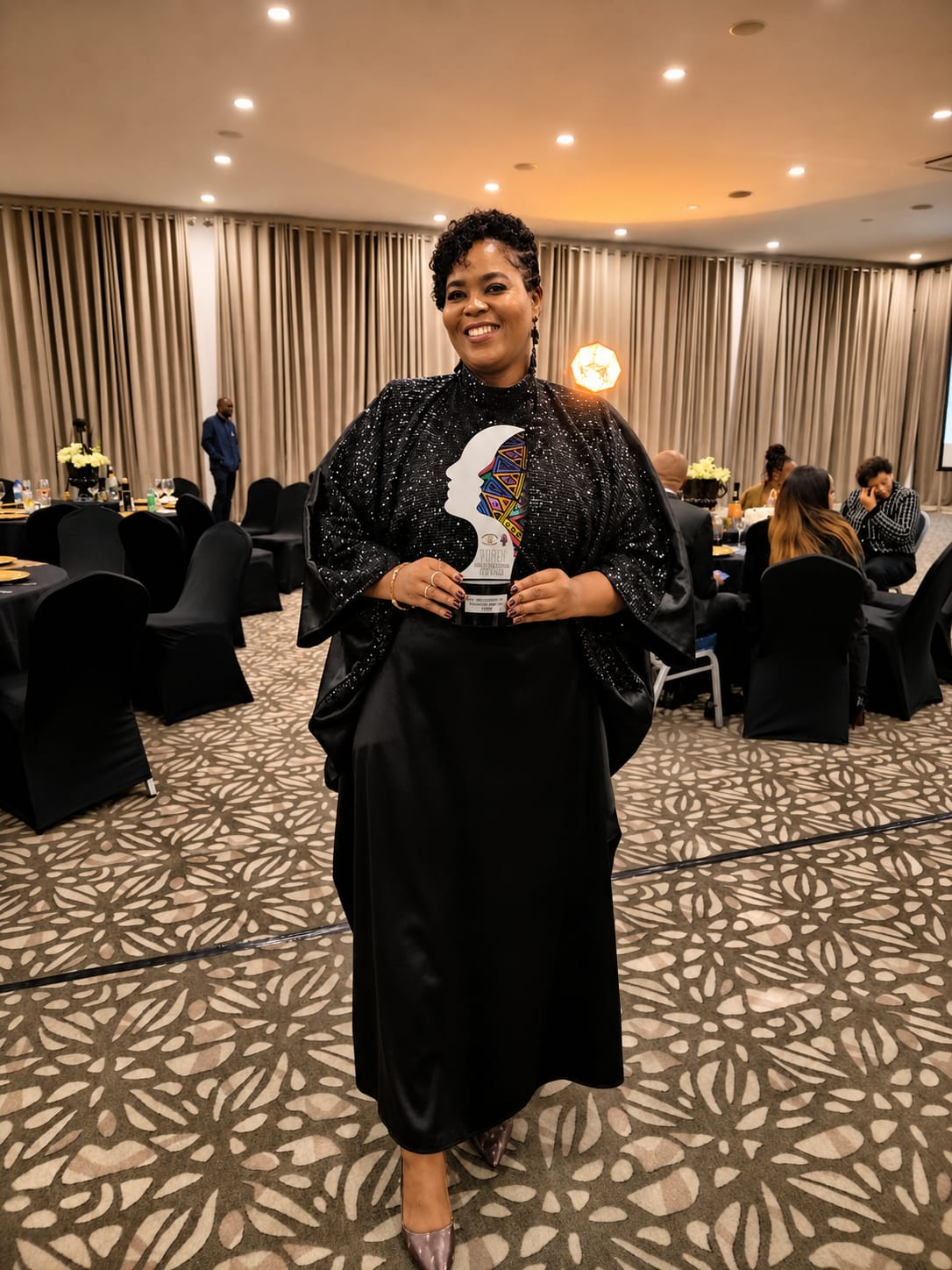
While her work has earned national recognition, she believes leadership is rooted in service.
“My experiences taught me resilience, empathy and compassion. Leadership is not about being the loudest voice in the room, but about standing up for those who feel they have no voice,” she said.
Mcoki said one of the biggest challenges facing survivors begins after they report abuse.
“One of the greatest misconceptions is that reporting abuse automatically leads to safety and justice. For many survivors, reporting is only the beginning of a long journey,” she said.
She said survivors often face stigma, emotional trauma, financial hardship and delays within the justice system.
Through her organisation, All Voices Matter, Mcoki said she works to bridge the gap between survivors and support structures.
“One of the biggest gaps is that many people affected by gender-based violence feel unheard, unsupported and disconnected from available resources,” she said.
She said the organisation's greatest success is not measured by awards, but by the trust it has built within communities.
Despite the emotional toll of the work, Mcoki said she remains committed to the cause.
“The emotional weight of the work can sometimes feel overwhelming,” she said.
“Every time I consider stepping back, I am reminded of why this work matters. I think about families seeking justice and survivors seeking support.”
Looking ahead, Mcoki hopes her legacy will be defined by impact rather than recognition.
“I hope to leave a legacy of service, compassion and impact,” she said.
She hopes future generations will continue the work of building safer communities.
“If future generations can say our work helped people feel heard and strengthened communities, then that would be meaningful,” she said.
Her message to survivors remains simple.
“Do not lose hope and do not lose sight of your value,” she said.
As All Voices Matter continues its work and plans for the Abongile Mcoki Foundation progress, she said her mission remains unchanged: to amplify voices and support survivors of gender-based violence.
For many in eMalahleni and beyond, Mcoki has become a symbol of resilience, hope and advocacy in the fight against gender-based violence.