Emalahleni – South Africa’s Technical and Vocational Education and Training (TVET) colleges are entering a transformative phase. The long-standing National Accredited Technical Education Diploma (NATED) programmes commonly known as N4–N6 are being gradually phased out and replaced by occupational qualifications designed to meet the evolving demands of the workplace.
The phased rollout, guided by the Department of Higher Education and Training (DHET), aims to align skills development with industry needs nationwide.
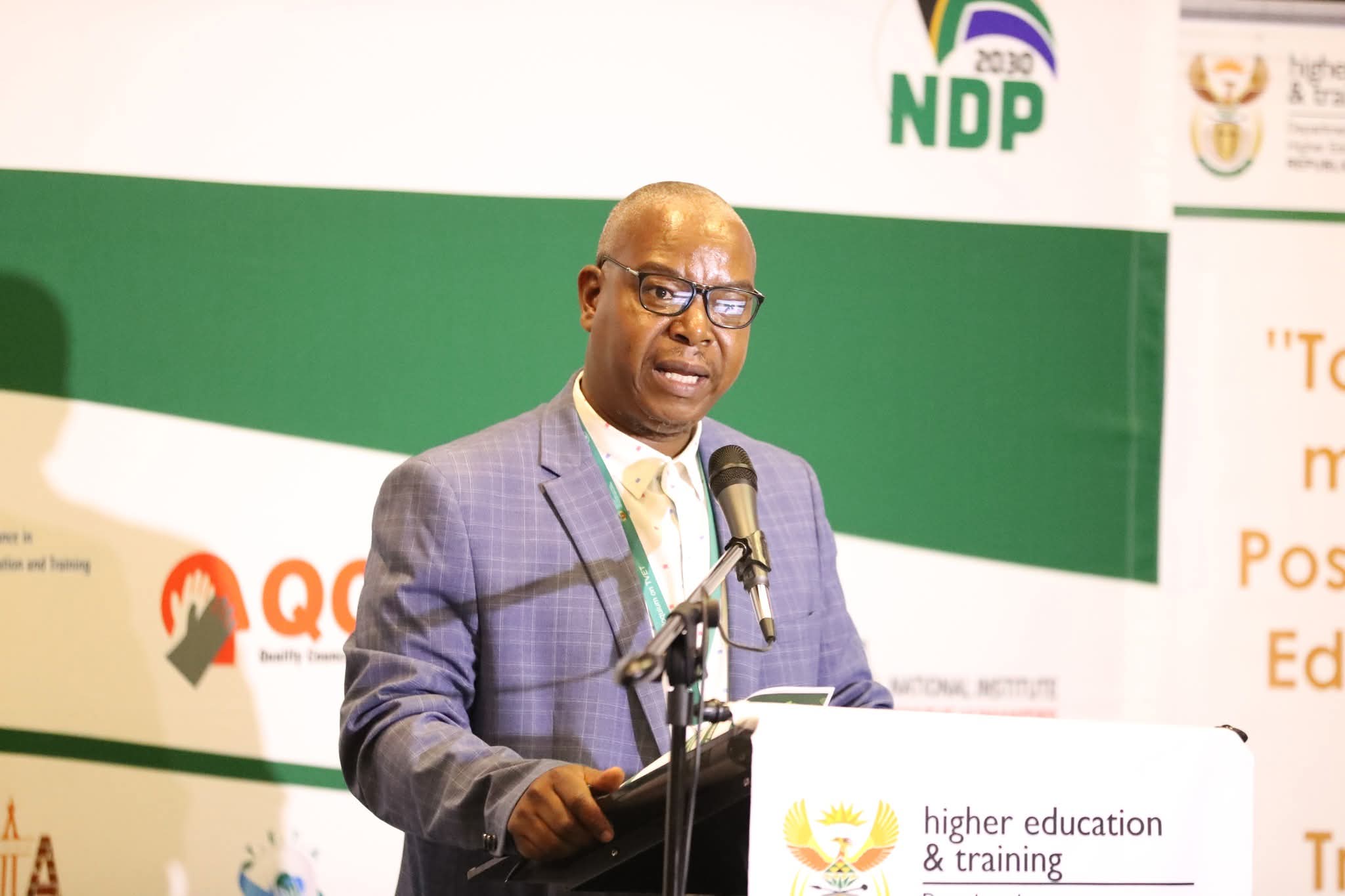
“The traditional NATED programmes are outdated and no longer responsive to the skills development needs of the modern economy, their structure and content simply do not fit the development of skills required today,” said Thivhudziwi Vele, Acting Chief Director for Qualifications and Programmes within the DHET’s TVET Branch. “The occupational programmes provide students with relevant and current skills required by industry. They also offer high opportunities for entrepreneurship.”
The transition began over a decade ago with the introduction of the Occupational Qualifications Sub-Framework (OQSF) under the Quality Council for Trades and Occupations (QCTO). Occupational qualifications were piloted in selected colleges and are now being rolled nationally.
Students currently enrolled in N4–N6 programmes have “teach-out” periods to complete their qualifications, with each level offering two trimesters or semesters before the complete occupational model fully takes effect.
Bridging education and employment
Occupational programmes are designed around specific occupations or clusters of related careers, combining theory, practical training and workplace learning to ensure students gain both academic knowledge and hands-on experience throughout their studies.
Unlike the old NATED approach, where theory precedes practice, the occupational model integrates these elements simultaneously. “Students gain required skills continuously during their studies, making them ready to adapt to workplace needs as soon as they complete their programmes,” Vele explained.
What sets the new system apart from previous programmes is its partnership with industry. Occupational qualifications are developed primarily by Sector Education and Training Authorities (SETAs) in collaboration with the QCTO to meet sector-specific skills needs and support national development strategies.
Colleges now have flexibility to choose and offer programmes tailored to local and national skills shortages, from renewable energy, manufacturing to agriculture and digital technology.
“The Department doesn’t prescribe which programmes colleges should offer. Colleges identify relevant and responsive programmes, seek QCTO accreditation and then apply for funding.” Vele clarified.
Supporting colleges and students
The transition brings challenges in the sense that colleges must upgrade infrastructure, learning materials and upskilling of lecturers. To address these challenges, the DHET has launched initiatives focused on lecturer upskilling, management training and infrastructure enhancement, in partnerships with SETAs and industry players. In addition, colleges can also access grants through the National Skills Fund (NSF) and other departmental support mechanisms.
As the transition unfolds, the DHET will monitor student completion rates, employment outcomes and labour market data through tracer studies, research collaborations and partnerships with Statistics South Africa.
“The indicators from these studies will help us assess the impact of this curriculum transformation. Our ultimate vision is a skilled and capable nation that supports inclusive economic growth,” said Vele.
This transformation marks the dawn of a new era for TVET education, one that prepares South Africans not just to find jobs, but to create them.


