eMalahleni — The Department of Water and Sanitation (DWS) has urged communities, civil society and local stakeholders to protect rivers and water sources through its national Adopt-a-River initiative.
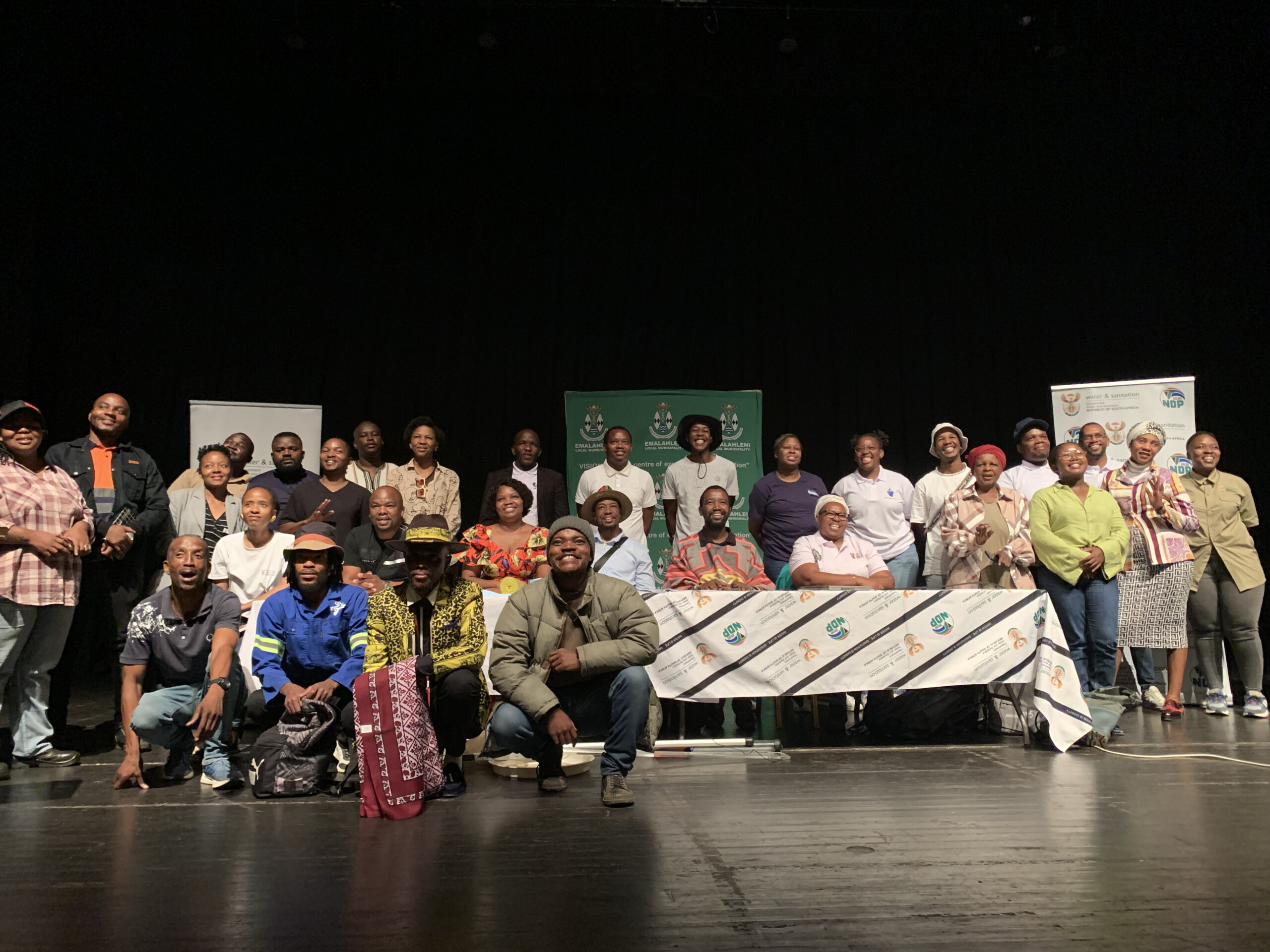
The DWS made this plea during its ‘Adopt-a-River’ stakeholder meeting held at eMalahleni Banquet Hall on 23 January 2026, where government officials, environmental groups and community representatives discussed ways to tackle water pollution and improve river health.
DWS Scientist Noloyiso Mbiza highlighted the direct link between everyday household behaviour and river pollution. “Flushing wet wipes and sanitary pads causes blockages and the eruption of sewage pipes,” Mbiza said, adding that poor waste disposal practices not only burden municipal infrastructure but also contaminate water sources relied on by communities.
The Adopt-a-River programme encourages residents to monitor river health, report pollution and support water conservation efforts. It also aims to equip communities, particularly young people, with environmental knowledge and skills while promoting Integrated Water Resources Management (IWRM).
The meeting brought together representatives from Municipality Environmental Affairs, environmental activists, the eMalahleni Environmental and Waste Management Committee, Friends in Disaster Risk Reduction Africa (FIDRRA), non-profit organisations, and members of the Traditional Healers Forum.
FIDRRA spokesperson Thulani Gatsha Mrhetjha said pollution in eMalahleni remains a serious concern. “Waste being dumped into rivers directly affects water quality. By working together as a community, we can reduce pollution and restore river health,” he said. Chief Sipho Mahlangu from the SoGutjhe Royal House said water is sacred and central to life, culture and healing. “When rivers are polluted, it is not only the environment that suffers, but also our cultural practices,” he said. “We support any initiative that empowers communities to protect what rightfully belongs to them and future generations.”
Environmental activist and citizen scientist Zanele Msibi emphasised partnerships between government and communities. “Citizen science allows communities to move beyond awareness and become part of the solution,” she said. “By partnering with this initiative, we can monitor river health, report pollution, and influence positive change on the ground. It also equips young people with skills and knowledge that can open doors in the environmental sector.”
Residents were urged to avoid the disposal of bottles, plastics and household waste into rivers and streams, as water pollution and scarcity continue to challenge communities.
The DWS said the Adopt-a-River programme is a long-term national effort to promote water care and shared responsibility for water protection. Through active community involvement, the department hopes to reverse environmental degradation, improve water quality and ensure sustainable water resources for generations to come.
Captions
1. Noloyiso Mbiza presented the adopt-a-river/citizen science program in eMalahleni and on her left the Sogutjhe Royal House representatives.
2. All the stakeholders and attendees of the meeting.
3. The Adopt-a-River initiative in Emalahleni brought together community members, stakeholders and partners during the Clear Rivers Campaign at Lynnville, last year. Where tons of waste were removed to restore water quality and protect local ecosystems.


