EMALAHLENI/DELMAS — Residents across eMalahleni and Victor Khanye municipalities raised concerns about water shortages, electricity, housing and failing infrastructure during Integrated Development Plan (IDP) mayoral outreach sessions hosted by Nkangala District Municipality in April 2026.
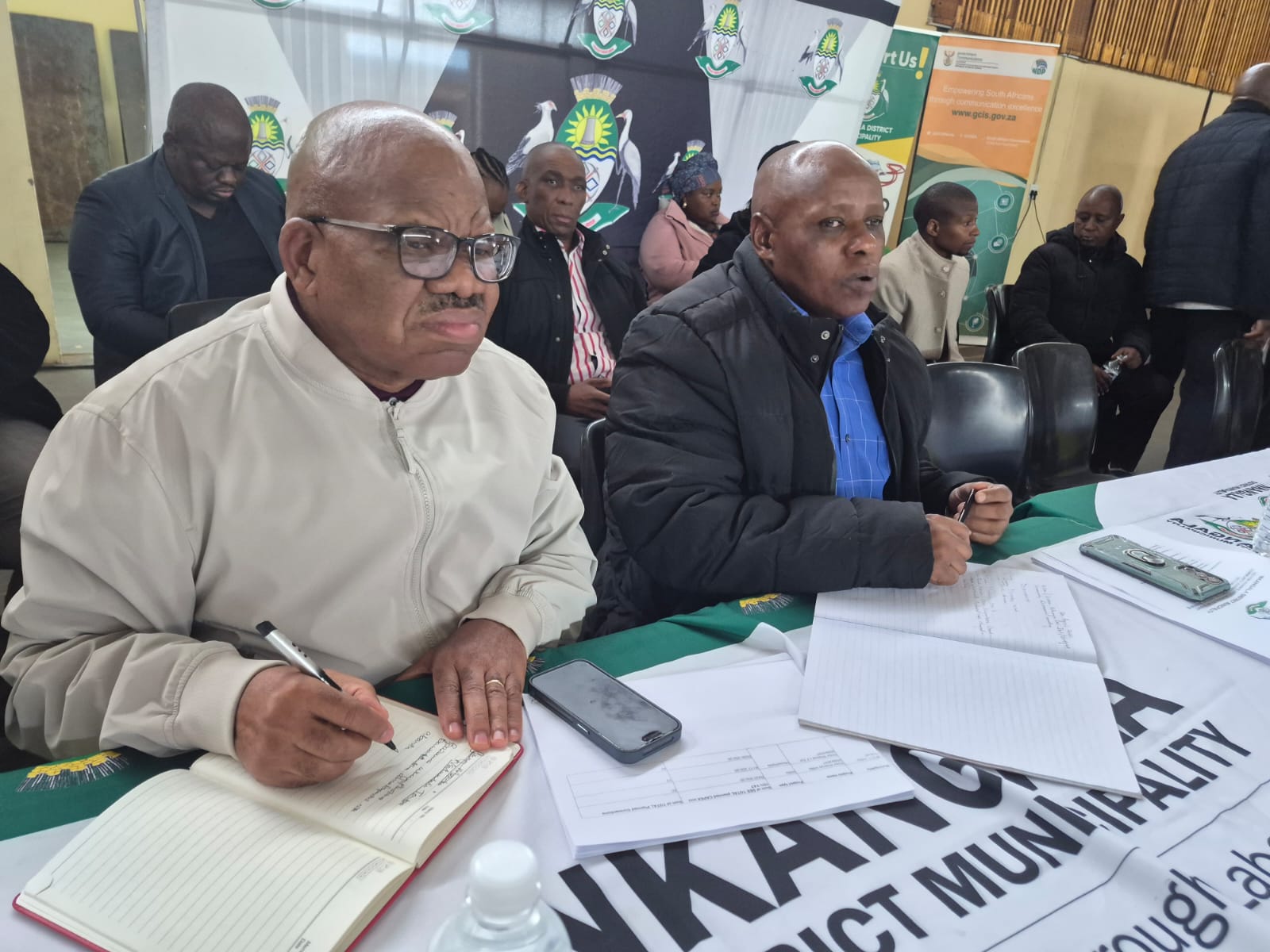
At an outreach held at Kwaguqa Extension 11 Community Hall in Ezinambeni, eMalahleni, on 21 April, residents highlighted ongoing service delivery challenges affecting their communities.
“We have about 700 houses without water, yet municipal bills keep increasing,” said Ward 3 resident Hlayisile Khumalo.
The session formed part of the municipality’s Integrated Development Plan (IDP) Mayoral Outreach Programme, aimed at presenting planned programmes and projects for the 2026/2027 financial year and consulting residents on budget priorities.
Executive Mayor Thomas Ngwenya led engagements across both municipalities, outlining key projects and encouraging residents to participate in shaping development plans.
“The purpose of this outreach is to ensure that communities are informed and actively participate in shaping development in their areas,” Ngwenya said during his presentation.
In eMalahleni, residents raised concerns about lack of electricity in certain areas, water shortages, leaking sewage systems, pothole-ridden roads, lack of secondary schools, inadequate infrastructure and limited access to essential services.
Ayanda Nkuna from Ward 23 raised concerns about delayed electrification in Empumelelweni.
“We want to know when electricity will be fully connected. There are areas still without power. The sewage issues have also been left unattended, and the road from P Ndimande is in a very poor condition,” Nkuna said.
From Ward 3, Tshepo Matlala pointed out the lack of educational resources in Ezinambeni.
“As a community, we do not have libraries where children can go and study or access learning materials,” he said.
Residents from Ward 23 also expressed frustration over deteriorating infrastructure and access to education and healthcare. Concerns were raised about potholes, the absence of a secondary school in Vosman, forcing learners to travel long distances, and shortages of basic items such as pillows at the local general hospital.
Residents also questioned whether planned hospital renovations would extend beyond the mental health ward to other hospital units.
In Ward 29, local farmer David Mathebula raised concerns about lack of access to land and funding for agricultural development. Other residents questioned the allocation of RDP housing, citing incomplete projects, unroofed structures and uncollected waste.
Responding to the concerns, members of the Mayoral Committee (MMC) acknowledged the issues and provided feedback on planned interventions. The municipality indicated that electrification projects are being implemented in phases, and affected areas will be addressed progressively.
Sewerage and sanitation challenges were noted, with officials committing to follow up on reported cases. On the issue of libraries, the municipality highlighted existing Social Labour Plan (SLP) programmes in partnership with mining companies, aimed at supporting community infrastructure development.
Agricultural concerns were referred to provincial authorities, while issues relating to Vosman bridge, healthcare facilities and the need for a secondary school are being considered, although land availability remains a constraint.
Addressing unemployment, the Mayoral Committee said a database has been established to assist in identifying and linking job seekers with opportunities.
During a similar outreach session held at the Simon Gondwe Sports Centre in Delmas, residents of Victor Khanye Local Municipality raised concerns about housing, infrastructure and access to basic services.
Victor Khanye Executive Mayor Vusi Buda told residents that the municipality does not directly build houses but facilitates development.
“We do not build houses ourselves; our responsibility is to facilitate development,” said Buda. “We have developed 500 stands, which will benefit residents, especially those living in low-lying areas from Extension 3 to Extension 7.”
He said some serviced stands will be allocated to the Department of Cooperative Governance, Human Settlements and Traditional Affairs (CoGHSTA), which will oversee the construction of houses for qualifying beneficiaries.
Residents said while they welcomed the engagement, they wanted faster implementation of services.
“We appreciate being given a platform to speak, but we need to see real change, especially when it comes to housing and basic services,” one resident said.
Another resident, Khanyisile Simelane, added: “The development of stands is a good step, but we are still struggling with water and road conditions. We hope the municipality will act faster.”
Ngwenya encouraged residents to continue participating in IDP processes, emphasising that public input is crucial in shaping responsive and inclusive municipal development plans.
The outreach forms part of ongoing efforts by both local and district municipalities to align development strategies with community needs and improve service delivery.