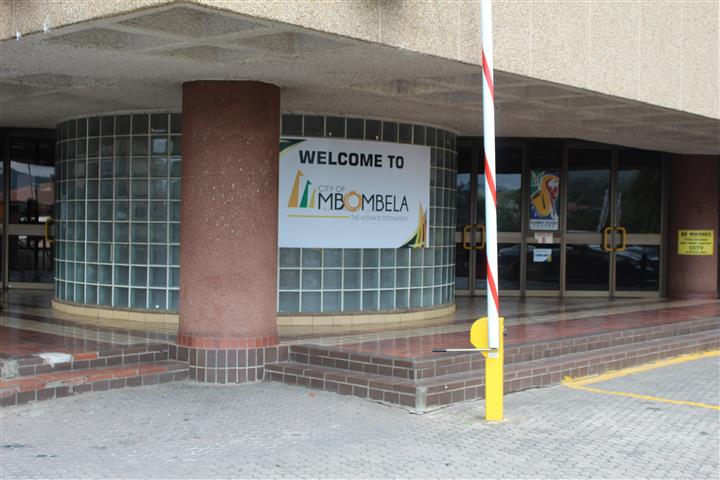
Mbombela— I recently bought R1,000 worth of electricity from the Mbombela Civic Centre and received a mere 279 units.
Was this a joke?
A mistake?
Apparently not!
Across Mbombela, residents are facing the same dismay. Our electricity bills are climbing while the units shrink. Electricity, once a basic necessity, is fast becoming a luxury. And while it’s easy to point fingers at Eskom, the truth is buried in a tangle of regulations, mark-ups and financial pressures that few understand.
According to Mbombela Local Municipality spokesperson, Joseph Ngala, municipalities do not set tariffs themselves. Every year, both Eskom and municipalities must apply to the National Energy Regulator of South Africa (NERSA) for approval before adjusting prices.
“The sad part is that over the past four to five years NERSA has been approving Eskom’s tariffs to be higher than those for municipalities,” he explained how the numbers don’t add up. Eskom might apply for a 15% increase while a municipality requests for 18% yet NERSA will approve Eskom’s full 15% and only 13% for the municipality. Municipalities begin the year already in the red, paying one price and selling at a lower one.
“This is why many municipalities owe Eskom so much money,” he lamented. “We have to add our own mark-up just to make it sustainable to distribute electricity. But even that becomes difficult when NERSA’s approvals don’t match Eskom’s hikes.”
Why your units keep shrinking
When I mentioned my 279 units for R1,000, Ngala laughed knowingly. “Welcome to the club,” he said. “I spent R3,000 for less than 600 units and it doesn’t even last. These units run quickly lately.”
He revealed an even more absurd detail; the amount of units, depending on when you buy in the month, varies. “Basically, the more times you buy, the more expensive it becomes,” he says. “If you buy in small bits you risk paying more overall. It’s very sad, but that’s the reality.”
It’s not just residents who are hurting. Municipalities themselves are struggling to survive.
“Running a municipality has become more expensive,” Ngala admits. “Everything from infrastructure maintenance to service delivery comes at a cost. When we’re accused of not managing money properly, people forget how costly it is to keep the lights on.”
The numbers are stark.
According to BusinessTech, Eskom’s electricity price has skyrocketed from R1,08 per kWh in 2016 to R2,53 per kWh in 2025 — more than doubling in just 10 years. Every increase hits municipalities first and eventually lands on the consumer’s doorstep.
Searching for light in the dark
Ngala said there are efforts underway to find solutions. “As a city, we’re exploring what’s called an energy mix,” he said. “The government now allows municipalities to buy up to 100 megawatts from independent power producers (IPPs), private suppliers who can sell electricity cheaper than Eskom.”
If successful, this approach could be a game changer. Municipalities like Mbombela could diversify their energy sources, reduce reliance on Eskom and perhaps give residents some relief.
But these changes will take time, if not years as residents’ wallets are thinning with each purchase.
Civil society organisations like the Organisation Undoing Tax Abuse (OUTA) have long criticised Eskom’s ongoing tariff increases. OUTA argues that South Africans are being forced to pay for the utility’s historical corruption, inefficiencies and mismanagement.
Despite the outcry, NERSA continues to approve Eskom’s requests. OUTA maintains that without accountability and reform, tariff hikes will continue to deepen inequality, pushing ordinary families further into economic hardship.
Until reform comes where Eskom, NERSA and municipalities intersect, we will keep watching our units drop, our bills rise and our frustration deepen.


